Compute & Cloud
Base Power enters Illinois to bypass grid interconnection queues
Base Power has begun selling home battery systems in Illinois, offering rates 25% below utility ComEd while bypassing the PJM grid's slow interconnection queue.
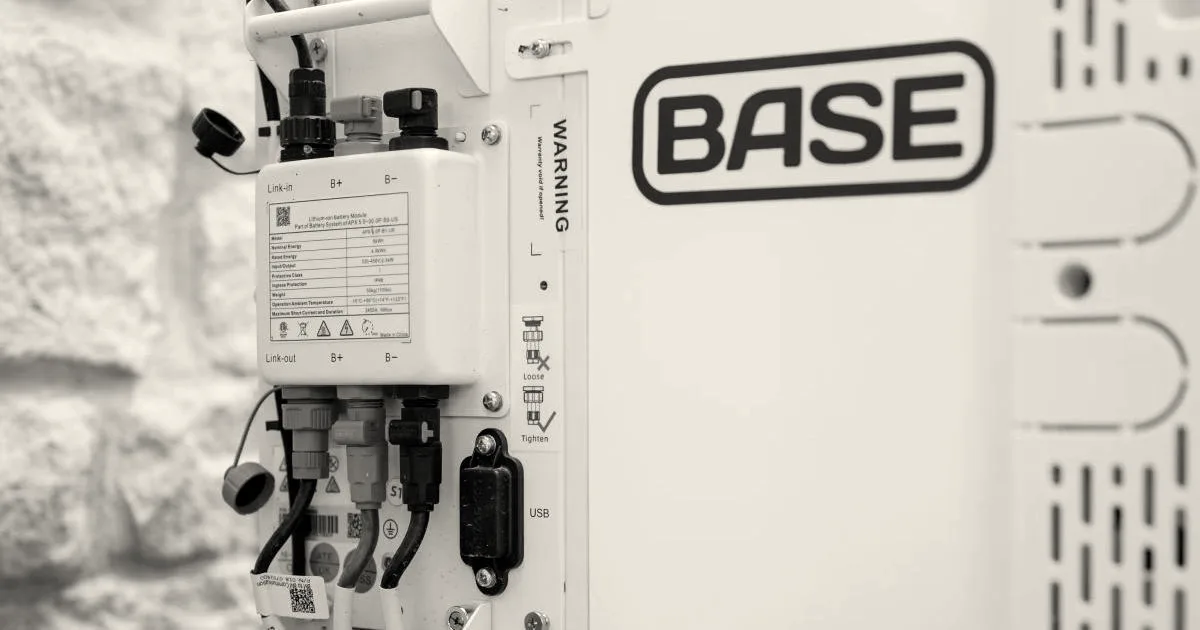
Yesterday, energy storage startup Base Power began selling home battery systems to residents of Illinois, marking its first expansion into the territory of PJM Interconnection, which operates as the largest U.S. grid operator by territory. To bypass the sclerotic grid operator’s slow interconnection queue, the company is deploying its systems “behind the meter”—a term referring to energy systems located on the customer’s side of the utility meter. “We are deploying capacity behind the meter at the residential home, where an interconnection already exists, so we don’t wait in the interconnection queue,” said Zach Dell, Base Power’s founder and CEO.
The expansion comes as the PJM grid struggles to cope with rising electricity demand, particularly from data centers in regions like Northern Virginia. This density, coupled with a lack of new generating sources, has caused wholesale electricity prices in PJM to nearly double over the past year. PJM has faced severe criticism, with reports indicating the operator is bungling its handling of rising electricity demand. The operator had paused applications for new generating sources starting in 2022, only reopening the queue in April. The power crunch has grown so severe that AEP, a major utility provider in the PJM region, has threatened to leave the market.
Base Power is scaling its virtual power plant model, which functions as a cloud-based distributed power plant that aggregates the capacities of heterogeneous distributed energy resources. The startup already operates more than 500 megawatt-hours of battery storage in Texas, charging when electricity prices are cheap and dispatching power when the grid needs it most. In Illinois, Base Power is offering rates 25% below utility ComEd’s rates, utilizing home battery systems starting at 25 kilowatt-hours of capacity. Rather than selling the hardware, the company requires customers to purchase electricity directly from it.
The rollout follows significant capital injections for the startup:
- In October, Base Power announced a $1 billion funding round led by Addition.
- This followed a $200 million funding round in April 2025, which was led by Andreessen Horowitz, Lightspeed Venture Partners, and Valor Equity Partners.
Why it matters
Base Power’s expansion into the PJM grid highlights how residential virtual power plants can bypass traditional utility interconnection processes to help meet surging electricity demand from data centers. By deploying battery capacity directly at residential homes, the startup avoids the multi-year delays associated with centralized grid queues.