Chips & Hardware
Mikko Hyppönen pivots from cybersecurity to anti-drone systems
Cybersecurity veteran Mikko Hyppönen has transitioned from a career of more than 35 years in malware defense to developing anti-drone systems, citing drone warfare in Ukraine.
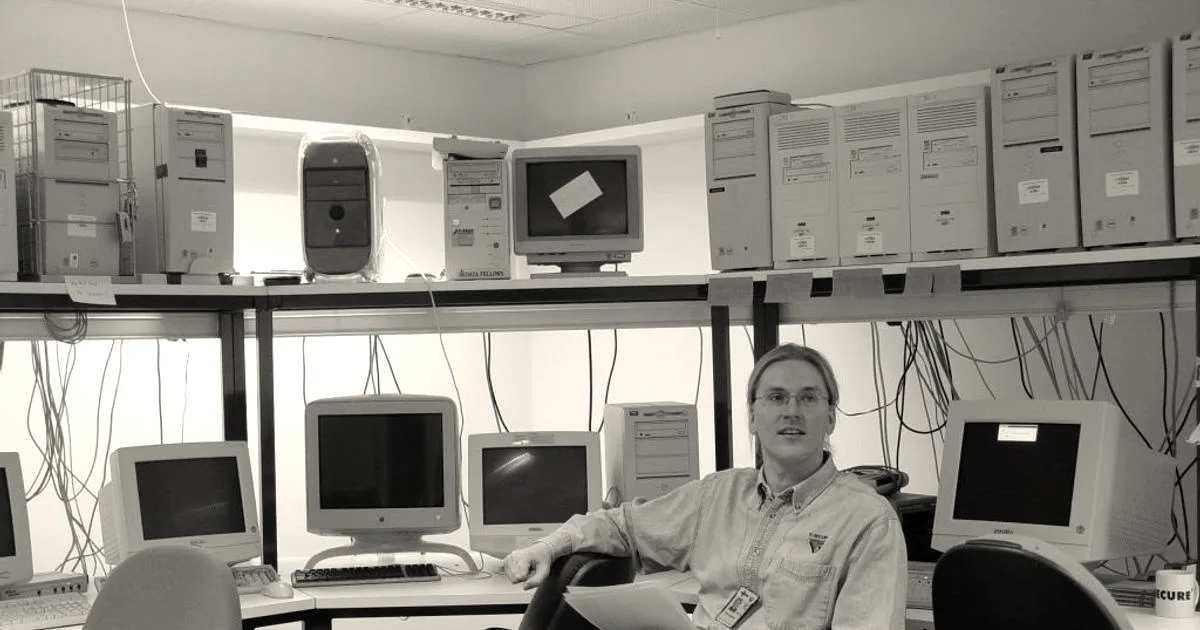
Mikko Hyppönen, a prominent figure in cybersecurity who began his career in the late 1980s, has transitioned to a new role in hardware defense. In mid-2025, Hyppönen became the chief research officer at Sensofusion, a Helsinki-based company developing anti-drone systems. The move follows a career of more than 35 years fighting malware, which included analyzing threats at his first employer, Data Fellows, and later at F-Secure.
Speaking at Black Hat—a global annual cybersecurity industry meetup—Hyppönen reflected on his decades in the sector. He compared the defensive struggle to the video game Tetris, where successes disappear and failures accumulate because perfect defense results in nothing happening. Hyppönen, who helped discover the wormable ILOVEYOU virus in 2000 that infected over 10 million Windows computers worldwide, noted that the era of viruses has ended. Today, the cybersecurity industry is estimated to be worth $250 billion. Malware is now almost exclusively used by cybercriminals, spies, and mercenary spyware makers. Self-spreading worms have become rare, with exceptions like the destructive WannaCry ransomware attack by North Korea in 2017 and the NotPetya mass-hacking campaign launched by Russia later that year, which crippled much of the Ukrainian internet and power grid.
Defending against drones shares clear parallels with fighting malware. While cybersecurity relies on signatures to block malicious code, anti-drone defense involves building systems to locate and jam radio drones. This is done by recording their radio frequencies, known as IQ samples, which are radio frequency recordings used to identify drones. Hyppönen explained that detecting these frequencies and protocols allows defenders to launch cyberattacks to crash the drone. He noted that, in many ways, these protocol-level attacks are much, much easier in the drone world because finding a single vulnerability is often enough to neutralize the threat.
Geopolitics heavily influenced Hyppönen’s pivot. A Finnish citizen, he lives about two hours away from Finland’s border with an increasingly hostile Russia. The 2022 full-scale invasion of Ukraine, where the majority of deaths have reportedly come from unmanned aerial attacks, convinced him that he could have a renewed impact by fighting drones. “Now I’m fighting Russian drone attacks,” said Mikko Hyppönen, a cybersecurity veteran. He views the work as a necessary evolution to defend against modern threats, describing the mission as defending humans against machines.
Why it matters
Hyppönen’s transition highlights a broader shift where cybersecurity expertise is increasingly applied to physical security and drone warfare. This evolution is driven by geopolitical conflicts, such as the invasion of Ukraine, where digital and physical battlefields have converged.