Apps & Consumer
Airbnb adds hotels and AI tools to its platform
Airbnb is adding boutique hotels, car rentals, and AI-powered support to its platform, aiming to drive revenue and bypass regulatory restrictions on short-term stays.
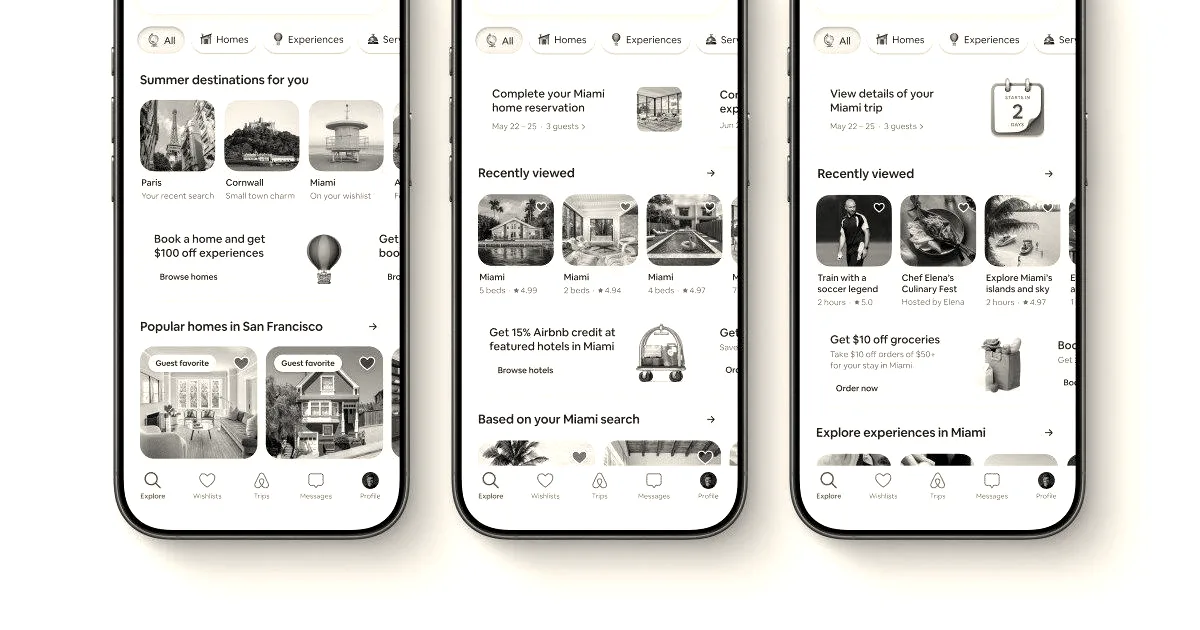
Airbnb is integrating boutique hotels into its platform to drive new revenue and offer more options for travelers. The travel tech company—the sector focused on travel services—is partnering with boutique hotels in 20 cities, including New York, Paris, London, Madrid, Rome, and Singapore. This expansion allows Airbnb to offer stays in major travel markets like New York City and Singapore where “short-term stays are barred,” effectively bypassing local regulations. Additionally, the company will launch car rental services this summer and is expanding its service offerings to include luggage storage.
To support its transition into a broader travel platform, Airbnb is rolling out several new services and experiences:
- Luggage storage in over 15,000 locations, launching this summer.
- Visits with local guides for 3,000 landmarks.
- 2,500 food experiences.
- Up to 15% credit on hotel bookings to encourage users to test the new offerings.
These additions position Airbnb to compete more directly with services like Viator and GetYourGuide, as well as Uber, which has also been expanding into travel tech.
The company is also scaling its artificial intelligence capabilities. According to Airbnb CEO Brian Chesky, the company’s AI chatbot already handles 40% of its queries. The chatbot, which rolled out in the U.S. last year, is expanding globally with support for 11 languages. In addition, Airbnb will start using a voice-based AI assistant later this year.
Jud Coplan, VP of marketing at Airbnb, explained that the app will recommend hotels when it detects a user is searching for trips where a hotel is better suited, such as last-minute bookings or business trips. “There are a few examples of the types of trips for which a hotel is probably better suited, such as last-minute bookings, one-night stays, and business trips. What we’ve done in the Airbnb app is that when we can see you’re searching for that kind of stay, we can recommend hotels without sending you to another part of the app or tapping on another tab,” Coplan said. He noted that the company views AI as a tool to help users find what they are looking for more effectively and efficiently, spreading the technology across multiple features for both guests and hosts.
Why it matters
Airbnb is evolving from a niche rental platform into a comprehensive travel aggregator, using hotel partnerships and AI to bypass regulatory hurdles and capture a larger share of the global travel market.