Policy & Regulation
Flock surveillance cameras face wave of vandalism across U.S.
People across the United States are dismantling and destroying Flock surveillance cameras amid rising public anger over the company's potential ties to federal immigration authorities.
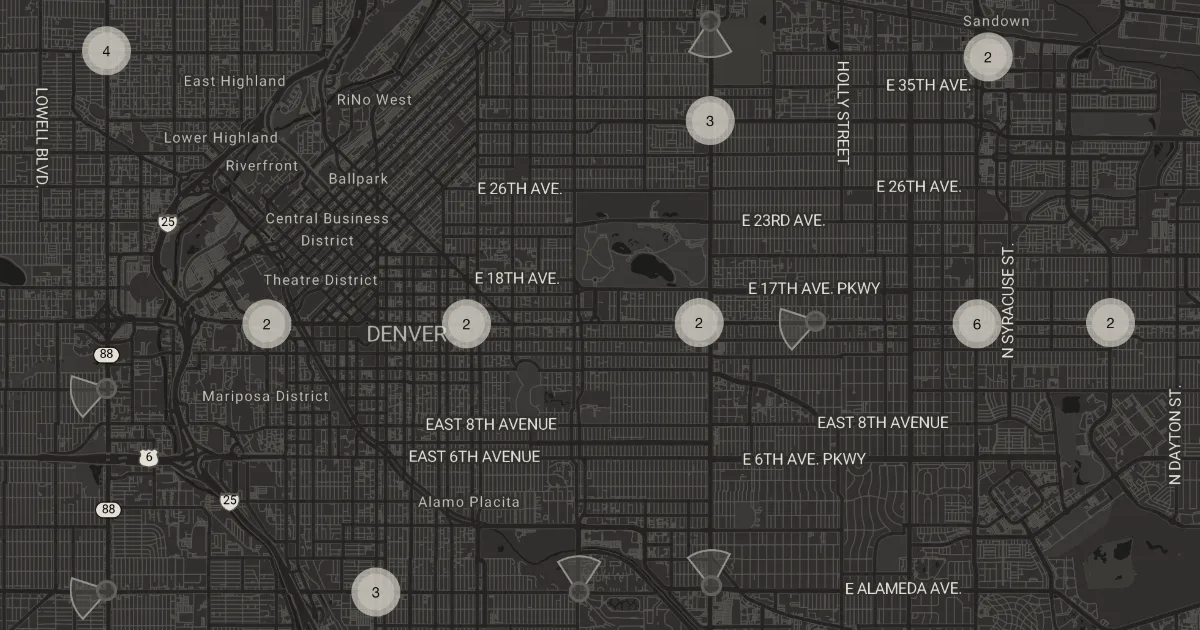
According to reports by author Brian Merchant, people across the United States are dismantling and destroying surveillance cameras manufactured by Flock, an Atlanta-based surveillance startup. These incidents of vandalism come as the company’s footprint has expanded significantly. According to DeFlock, a project aimed at mapping license plate readers, there are close to 80,000 cameras currently deployed across the United States. Flock, which has been valued at $7.5 billion, produces license plate-scanning cameras that allow authorities to track where people go and when by taking photos of their license plates.
The backlash is tied to concerns over how the data collected by these cameras is accessed by federal authorities. Flock has stated that it does not share data with ICE (U.S. Immigration and Customs Enforcement) directly. However, the company faces criticism because ICE, a federal authority, reportedly accesses data from these surveillance networks. While Flock denies direct sharing, reports indicate that local police departments have shared their own access to Flock cameras and databases with federal immigration authorities. This has fueled public anger that the license plate readers aid U.S. immigration authorities and deportations.
This friction has led to physical opposition and vandalism across multiple states. Instances of people dismantling and destroying the cameras have been reported in states including California, Connecticut, Illinois, and Virginia. In Oregon, six license plate-scanning cameras mounted on poles were cut down, and at least one was spray-painted. At the base of the severed poles in Oregon, an unknown perpetrator left a note that read, “Hahaha get wrecked ya surveilling fucks,” according to the reports.
In La Mesa, California, a city where camera vandalism occurred, instances of broken and smashed Flock cameras were reported. This vandalism took place just weeks after the city council approved the continuation of the cameras, despite strong opposition and privacy concerns raised by local residents who favored their shutdown. The destruction of these cameras in La Mesa and other municipalities highlights a growing public backlash against the use of license plate readers by local police and their potential access by federal immigration authorities.
Why it matters
The destruction of these cameras signals a significant public backlash against the normalization of mass surveillance. This tension is particularly acute where local police infrastructure intersects with federal immigration enforcement, raising broader questions about privacy and data access.