Startups & Funding
Antares raises $470M to build nuclear reactors for the US military
Antares Nuclear raised $470 million in a Series C round to build small modular reactors for U.S. military bases, as investor interest in advanced nuclear surges.
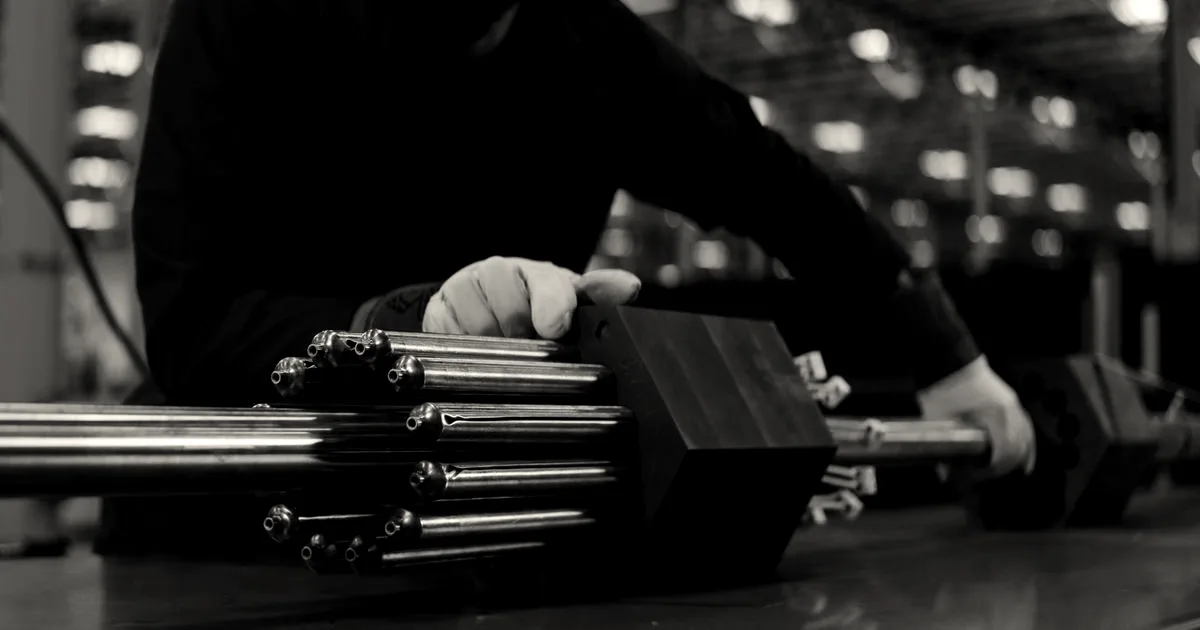
Antares Nuclear said Monday it raised $470 million — $370 million in equity and $100 million in debt — in a Series C round led by Paradigm and Caffeinated Capital, with participation from Industrious Ventures, Point72 Ventures, and Shine Capital, to build small reactors for U.S. military bases. The round underscores investors’ growing appetite for advanced nuclear startups, a trend fueled by the AI data center building boom and the broader search for new sources of power.
Antares has been developing a small modular reactor (SMR) capable of producing between 100 kilowatts and 1 megawatt of electricity — enough to power up to 750 homes. Like several other advanced nuclear startups, it uses TRISO fuel, which encapsulates uranium in carbon and ceramic shells; the coating, cooled by gases like helium or molten salts, is designed to keep the billiard ball-sized fuel spheres from melting in typical high-temperature reactors, and has been touted for years as a safer alternative to traditional nuclear fuel. Antares’ demonstration reactor, the Mark-0, reached criticality on June 4 at the Idaho National Laboratory. The company is one of three finalists in the Pentagon’s Advanced Nuclear Power for Installations program, which will test SMRs on Air Force bases in Colorado and Montana; Antares aims to bring its first electricity-producing reactor online next year, with deployments at U.S. military installations planned for 2028.
Investors have been flocking to nuclear power, and fission specifically, as electricity demand surges alongside data center construction and the broader electrification of the economy. X-energy raised $1 billion through an IPO in April, while Radiant Energy, Standard Nuclear, and Last Energy have each closed nine-figure rounds since December — the same month Antares closed its $96 million Series B. Altogether, Antares has raised $604 million, based on a TechCrunch analysis of PitchBook data.
Despite the enthusiasm, advanced nuclear startups face real hurdles to commercialization, including an immature U.S. supply chain and challenges scaling production; the cost benefits of mass manufacturing typically take at least a decade to materialize, and no startup has reached that stage yet. The first SMRs, expected to enter service in the early 2030s, are unlikely to be cost competitive with most new power plants — Lazard expects new SMRs to cost about $214 per megawatt hour, more than all but the most expensive gas turbines. Antares hasn’t disclosed its pricing, but given those economics, chasing contracts with the U.S. military — a famously price-insensitive customer — is a logical bet.
Why it matters
The round is the latest sign that the AI-driven scramble for electricity is pulling once-niche advanced nuclear startups into the mainstream of venture funding, even though the technology’s near-term costs still lag conventional power generation.