Startups & Funding
Pangram raises $9M as AI content floods the internet
New York-based AI detection startup Pangram raised $9 million and launched Pangram 4, a next-generation AI text detector it says is over 99% accurate, alongside a research-preview AI image detector.
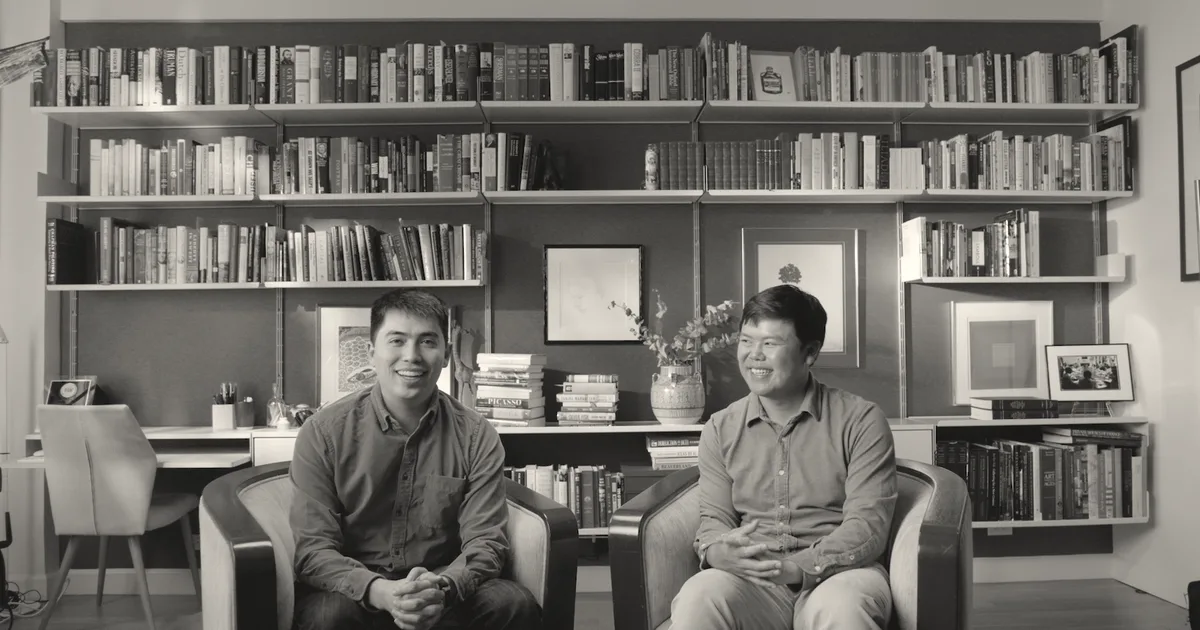
Pangram, a startup building tools to separate AI-generated content from human writing, raised $9 million in a round led by Menlo Ventures, with participation from Haystack, ScOp, Script Capital, and Cadenza. The round coincides with the launch of Pangram 4, the company’s next-generation text detection model, and Pangram Image, an AI image detector currently available only via research preview, with a wider release planned in the coming weeks.
Stanford AI and machine learning graduates Max Spero and Bradley Emi founded Pangram about two years ago, after the launch of ChatGPT opened what Spero calls a flood of bots, AI-generated SEO content, and “LLM-powered Russian disinformation campaigns and UAE-influenced campaigns on Twitter.” Pangram says Pangram 4 is over 99% accurate at catching AI-assisted writing and mixed human-AI text, and can more easily detect AI “humanizer” tools built to disguise machine writing. The system works by training on tens of millions of known human documents, then generating a “synthetic mirror” of each — matching topic, length, and tone but written by a frontier LLM — so the model learns the stylistic choices that distinguish AI text, without relying on metadata or watermarks.
Testing the text model directly, TechCrunch found it reliably flagged AI-generated news articles from ChatGPT and Claude and resisted attempts to prompt those models into evading detection. When a human-written article was polished by ChatGPT and Claude, Pangram scored it 13% AI-assisted — which the reporter judged probably close to accurate — though the model inconsistently flagged some fully human sentences elsewhere in testing. The image model performed comparably well, correctly detecting an AI-generated image embedded inside a real photo, though it did incorrectly label one AI-generated image as human content.
Pangram’s rise comes as institutions formalize pushback against AI content: arXiv, the open-access research archive, introduced a policy this year banning authors for a year if submissions show evidence of unreviewed LLM output. Pangram competes with detectors including Winston AI, Originality.ai, Copyleaks, and GPTZero. It sells access via a $20-per-month subscription, a Chrome extension that labels AI content in real time on X, LinkedIn, Substack, Reddit, and Medium, and an API used by Substack, Quora, schools and universities, publishers, agents, and recruiters, among others, according to Spero.
Why it matters
As AI writing spreads, Pangram is betting that verifying human origin becomes core infrastructure for publishers, platforms, and research institutions — arXiv’s new enforcement policy shows that pressure is already building.