Chips & Hardware
Avalanche hits fusion milestone with desktop-scale reactor
Fusion startup Avalanche hit 11 million degrees Celsius with a desktop-scale reactor, suggesting small-scale fusion might be viable at lower costs than large-scale competitors.
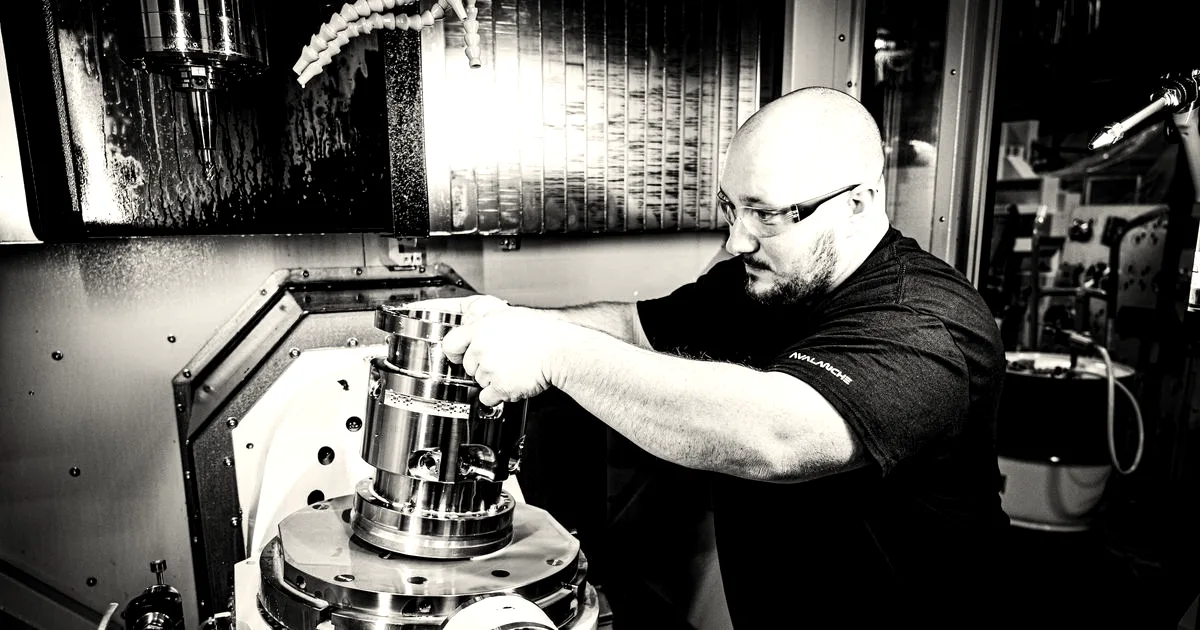
Avalanche, a fusion energy startup, has reached a key milestone by heating fusion fuel above 10 million degrees Celsius using a desktop-scale prototype. Specifically, the company achieved a plasma temperature of roughly 11 million degrees Celsius. Crucially, Avalanche has spent less than $50 million of venture investment to hit this mark, demonstrating that significant progress can be made with relatively low capital compared to the massive budgets of its competitors. The startup’s report was validated by a plasma physicist at MIT (the Massachusetts Institute of Technology). This milestone suggests that the startup is on the path toward generating conditions in its reactor that could spark fusion reactions capable of producing more power than they need to start, moving closer to net-energy fusion.
In the fusion industry, plasma temperatures are evaluated using the kiloelectron volt (keV), a unit of energy used to measure the temperature of plasma particles. Reaching an energy level that exceeds 1 keV is a critical benchmark for the sector. Commenting on the significance of reaching these temperatures, Bob Mumgaard, the CEO of Commonwealth Fusion Systems (a fusion energy company), stated, “That’s hot enough that the world will take notice.” This benchmark is highly watched by researchers in the field who track progress in fusion energy.
While most fusion competitors design massive reactors to generate electricity, Avalanche’s small-scale prototypes suggest that fusion power might work at smaller, more affordable scales than those its competitors are pursuing. The startup’s development strategy relies on rapid iteration of its core device, named Jyn, which is designed to be easily updated.
The specifications of the Jyn device include:
- Core diameter: Five inches
- Iterative updates: 25 times since last fall
Avalanche decided to go small in part because smaller devices are easier to iterate. This approach suggests that fusion power might work at smaller scales than its competitors are pursuing, potentially offering a more accessible path to commercial energy. If the startup can successfully develop a smaller, less expensive fusion power plant, it could challenge a number of other energy technologies.
Why it matters
Avalanche’s ability to reach high temperatures with a compact, low-cost device challenges the industry consensus that fusion requires massive, expensive infrastructure, potentially accelerating the path to commercial viability.