Chips & Hardware
Blue Origin schedules third New Glenn launch for late February
Blue Origin is targeting late February for its third New Glenn launch, which will carry an AST SpaceMobile satellite to low-Earth orbit instead of a lunar lander.
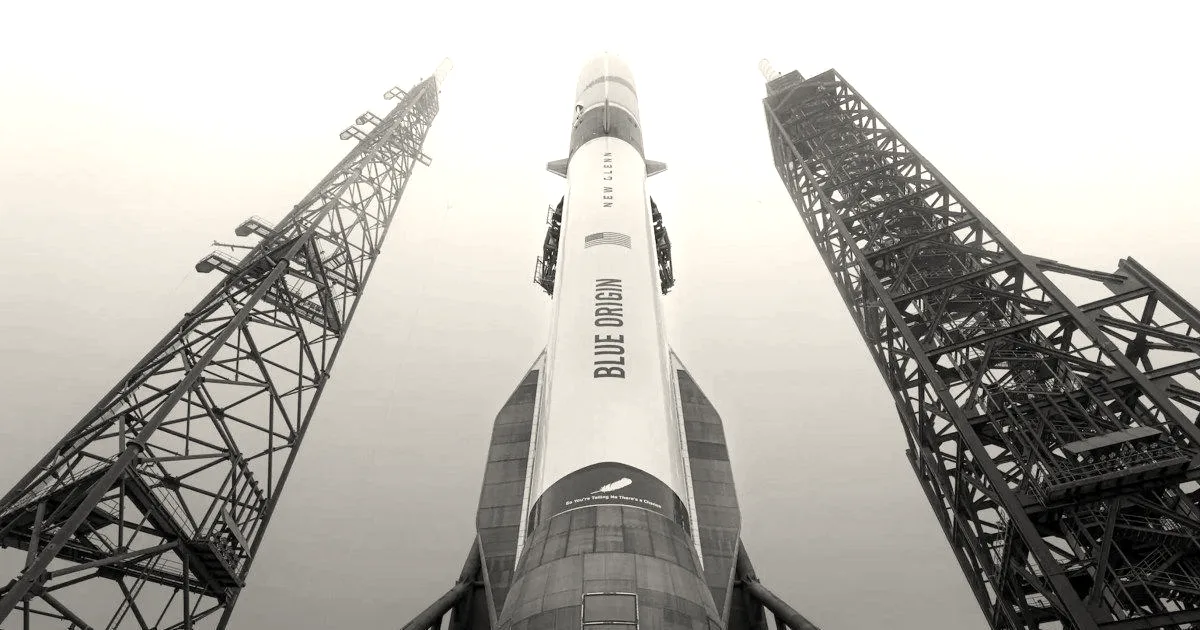
Blue Origin is targeting late February for the third launch of its New Glenn rocket. The flight will carry a satellite to low-Earth orbit—the region of space near Earth—for AST SpaceMobile. This represents the second commercial payload flight for the vehicle, shifting the mission’s focus away from a previously discussed lunar lander.
The company has not explained why it prioritized this commercial payload over its own robotic lunar lander. That lander, known as Blue Moon Mark 1 (MK1), is currently being shipped to NASA’s Johnson Space Center in Texas. Once there, the vehicle will undergo vacuum chamber testing, which provides a simulated testing environment for spacecraft. A launch date for the lander mission has not been set.
The upcoming launch is scheduled during a highly active month for spaceflight. NASA may launch its Artemis II mission as early as February 6, a flight that will carry four astronauts to orbit the moon. Additionally, competitor SpaceX is expected to start testing the third version of its Starship rocket. NASA and SpaceX also plan to launch the Crew-12 mission to the International Space Station. This mission will help bring the space station back to full staff after the Crew-11 team was medically evacuated earlier this month.
For the late February launch, Blue Origin will reuse the booster stage—the part of a rocket that provides initial thrust—from New Glenn’s second mission, which occurred last November. The company previously recovered that booster by landing it on a drone ship, an autonomous vessel used for landing rocket boosters. This landing method mirrors the recovery process SpaceX has used for years with its Falcon 9 boosters. New Glenn itself spent a decade in development before its initial flights.
Beyond individual launches, the company founded by Jeff Bezos is expanding its long-term infrastructure. On Wednesday, Blue Origin announced a satellite internet constellation called TeraWave. The company plans to start deploying the TeraWave network in late 2027. New Glenn is designed to regularly deliver payloads to Earth orbit and beyond, building on its suborbital rocket program, New Shepard, which has operated for more than a decade. In addition to its deal with AST SpaceMobile to send multiple satellites to orbit, Blue Origin hopes to use its Blue Moon landers on future missions to the moon and Mars. It is also developing another spacecraft, Blue Ring, to host and deploy payloads for other space companies.
Why it matters
This launch marks the second time Blue Origin has flown a commercial payload with New Glenn, signaling the company’s progress in regular payload delivery to Earth orbit.