Compute & Cloud
PJM to cut power to large data centers to avert US grid blackouts
PJM, the largest US grid operator, will curtail power to data centers and other large users during shortages starting June 2027, after a capacity auction fell short.
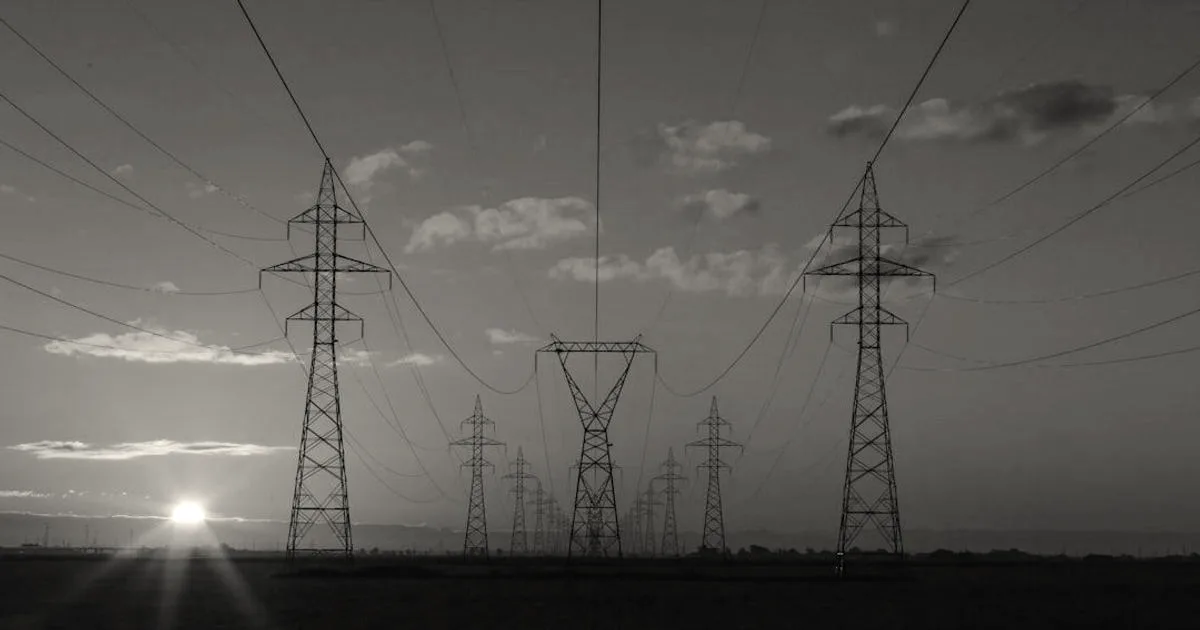
PJM Interconnection oversees the largest electrical grid in the U.S., a network that has struggled to keep pace with a surge in data center construction. After a recent auction to add generating capacity came up short, the grid operator said it will cut off data centers and other large power users during shortages to prevent blackouts.
The curtailment won’t begin until June 2027, and will apply only to data centers of 50 megawatts or larger. PJM is running another auction for new generating capacity in the meantime. The pressure on the grid is expected to keep building: data centers are expected to use four times more electricity by 2035 than they do today.
The program follows the model of existing demand-response schemes, which have run for decades and typically cover large users like manufacturers. Customers whose power is cut will be compensated, and will typically get advance notice ranging from 30 minutes to a few days, depending on forecasted demand.
The policy will likely push many new data centers — and potentially existing ones — to build their own on-site power sources. Those that don’t will probably lean on backup generators, which tend to be costlier to run and frequently more polluting. Diesel generators are a common choice because the fuel is widely available and easy to store on-site; federal rules cap their use at up to 50 hours a year for demand-response events and up to 100 hours a year for emergencies and maintenance.
The tension around backup power is already visible: this week, Vantage Data Centers came under fire for its apparent coordination with Virginia environmental regulators to cast doubt on a report that found diesel backup generators near a 96-megawatt data center in Northern Virginia could contribute to tens of millions of dollars in annual health damages.
PJM itself has faced criticism in recent months over how it has handled new generating capacity and large new users. Its territory spans from Virginia to Illinois and covers 67 million customers. Wholesale electricity prices in that territory have nearly doubled over the past year, and PJM’s own independent market monitor has blamed data centers for much of the increase.
Why it matters
The curtailment policy signals that US grid operators are running out of room to keep adding data center demand without consequence, pushing the industry toward on-site power and away from grid dependence, with costlier, dirtier backup generation likely picking up the slack in the interim.