Policy & Regulation
Archer countersues Joby over alleged Chinese ties
Archer Aviation filed a countersuit alleging rival Joby Aviation allegedly defrauded the U.S. government by concealing ties to Chinese suppliers and misclassifying imported materials.
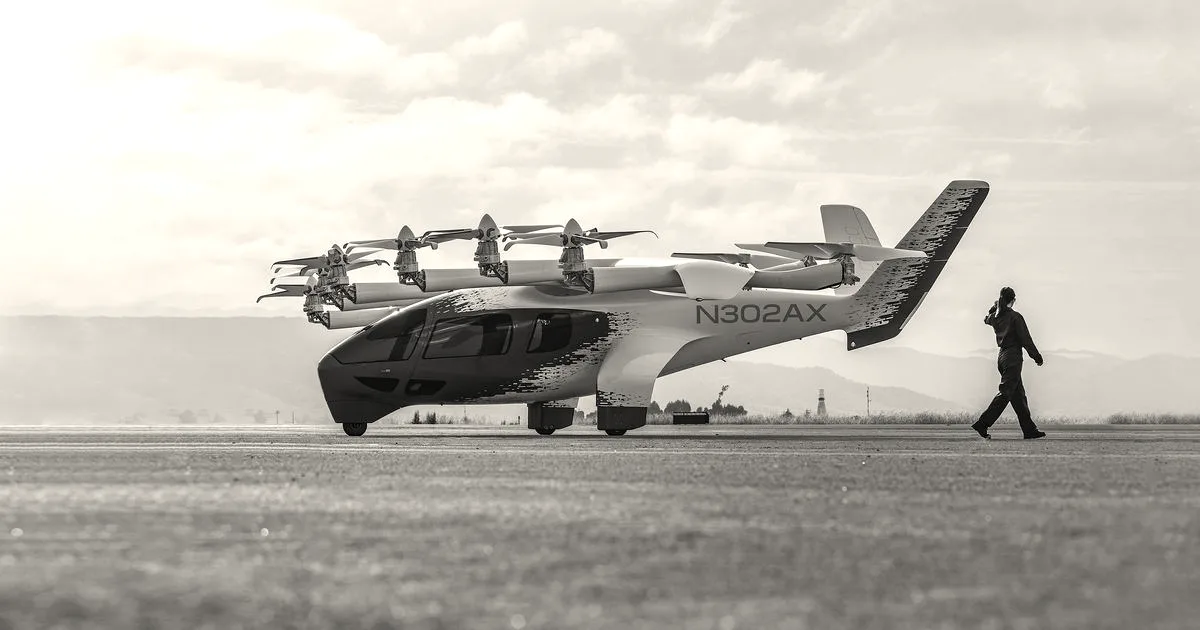
On Monday, electric air taxi developer Archer Aviation responded to a lawsuit with counterclaims alleging that its rival, Joby Aviation, allegedly defrauded the U.S. government and its competitors by falsely presenting itself as an American-made company. In the countersuit, Archer alleges that Joby relied on a Chinese manufacturing subsidiary to source critical components from Chinese suppliers with Chinese government support. Additionally, the complaint alleges that Joby tried to conceal its “deep ties” to China by fraudulently misclassifying thousands of pounds of Chinese-origin aircraft materials as consumer goods—such as hair clips, socks, and photo albums—to evade U.S. tariffs and foreign-influence oversight.
Joby was founded in 2009 in California, where it maintains its headquarters, but also operates in Germany, Austria, Costa Rica, and Shenzhen, China, according to documents filed with the U.S. Securities and Exchange Commission. Alex Spiro, an attorney representing Joby, dismissed the allegations, stating that the company does not respond to nonsense. Spiro added that “Archer’s constant legal issues and flailing business operations have left it no choice but to resort to invented nonsensical theories” and stated they would see them in court. The legal escalation comes four months after Joby sued Archer in November, alleging that former Joby employee George Kivork took trade secrets with him when he left to join Archer. Both companies went public in 2021 through mergers with special purpose acquisition companies (SPACs) and are developing electric air taxis—electric vertical takeoff and landing aircraft—for commercial and defense applications.
The timing of the countersuit aligns with a new pilot program launched under President Donald Trump’s 2025 “Unleashing American Drone Dominance” executive order. The order directed the U.S. Department of Transportation and the Federal Aviation Administration to accelerate the integration of electric vertical takeoff and landing aircraft. Archer’s complaint alleges that Joby marketed itself as committed to American innovation to secure hundreds of millions of dollars in U.S. government funding, including U.S. Air Force contracts, to position itself for this program. On Monday, regulators approved eight proposals for the pilot program spanning 26 states. Archer won approval to participate in three of the proposals, while Joby landed five.
Why it matters
The countersuit escalates the legal battle between two major electric air taxi competitors, Archer and Joby, specifically targeting Joby’s eligibility for U.S. government funding and its compliance with domestic manufacturing requirements.