Compute & Cloud
Helion hits 150 million degrees in fusion reactor milestone
Helion reached 150 million degrees Celsius in its Polaris prototype, a key step toward its 2028 commercial fusion electricity contract with Microsoft.
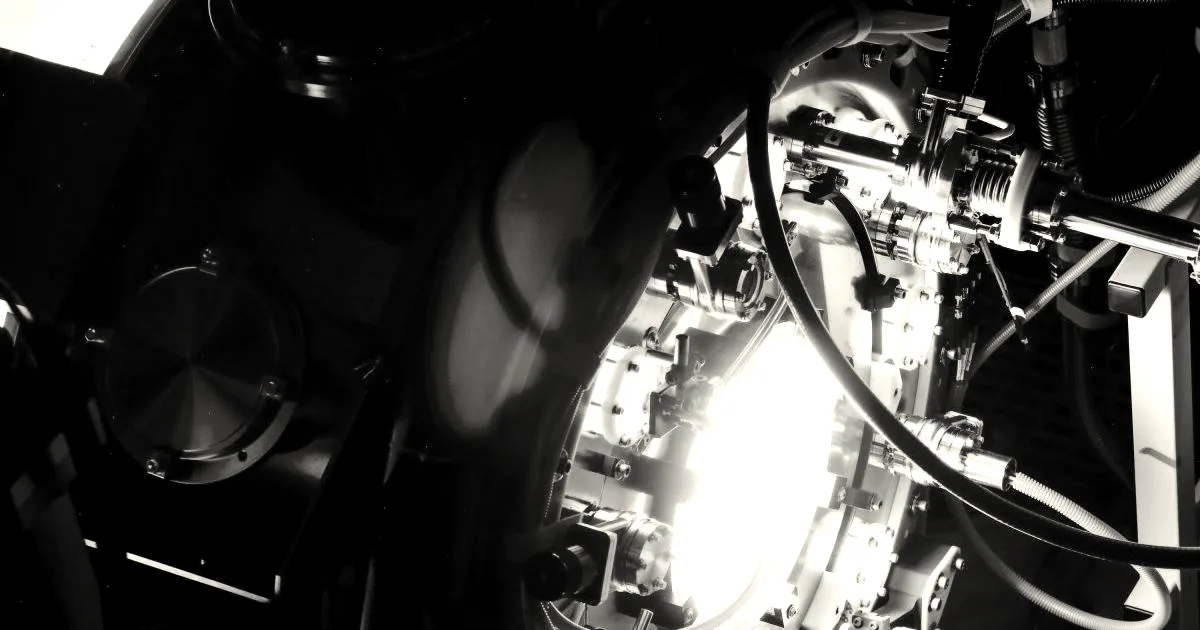
On Friday, fusion energy startup Helion announced that plasmas inside its Polaris prototype reactor reached 150 million degrees Celsius. The milestone is a key step for the Everett, Washington-based company as it works to fulfill a contract to sell electricity to Microsoft starting in 2028.
Helion’s reactor design uses a field-reversed configuration, which features an hourglass-shaped chamber where fuel is turned into plasmas. Magnets accelerate these plasmas toward each other, merging them at around 10 million to 20 million degrees Celsius before compressing them further to reach higher temperatures. Polaris is currently operating with deuterium-tritium fuel—a mixture of two hydrogen isotopes—making Helion the first fusion company to do so, according to co-founder and CEO David Kirtley. Down the road, Helion plans to transition to deuterium-helium-3 fuel to generate electricity directly from the reaction’s magnetic field. Because helium-3 is common on the moon but not on Earth, Helion must produce its own fuel. Kirtley noted that as other companies recognize the efficiency gains of direct electricity recovery, they will likely want to use helium-3 fuel as well. Ultimately, Helion aims to reach 200 million degrees Celsius, which it identifies as the optimal temperature for operating a power plant.
The announcement comes as investors back several fusion startups. Helion itself raised $425 million last year from investors including Sam Altman, Mithril, Lightspeed, and SoftBank. Other recent sector funding includes:
- Inertia Enterprises, which announced a $450 million Series A round this week backed by investors including Bessemer and GV.
- Type One Energy, which reported fundraising of $250 million in January.
- Commonwealth Fusion Systems, which raised $863 million last summer from investors including Google and Nvidia to heat plasmas to more than 100 million degrees Celsius.
While Polaris serves as a testing ground, the electricity for the Microsoft contract will not come from this prototype. Instead, Helion is currently building Orion, a 50-megawatt commercial reactor. “Our ultimate goal is not to build and deliver Polaris,” said David Kirtley, Helion’s co-founder and CEO. He added that the prototype is simply a step toward scaled power plants.
Why it matters
Helion’s temperature milestone validates its reactor design, keeping the company on track for its 2028 commercial electricity delivery contract with Microsoft.