AI & Models
Google updates Veo 3.1 for native vertical video creation
Google updated its Veo 3.1 AI video model to support native 9:16 vertical video creation, improved character consistency, and higher-resolution upscaling for professional and consumer users.
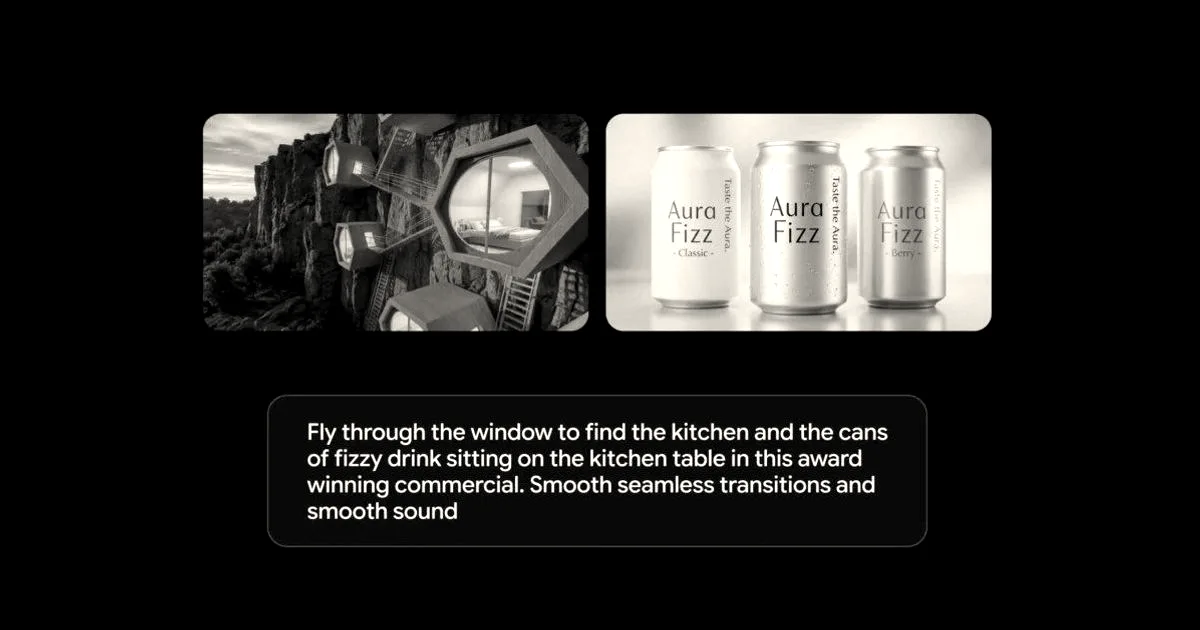
On Tuesday, Google updated its Veo 3.1 AI video-generation model to allow users to create native vertical videos using reference images. This update specifically targets the 9:16 vertical format, allowing users to create native vertical videos for social platforms like YouTube Shorts, Instagram, and TikTok without cropping. As part of this rollout, Google is adding the vertical video feature directly to YouTube Shorts and the YouTube Create app. This integration allows creators to generate vertical videos directly within these platforms, utilizing reference images to guide the visual output.
When users provide reference images, the updated Veo 3.1 model generates videos with better character expressions and movements, even when using shorter prompts. According to Google, the update also improves character, object, and background consistency. This allows users to blend various characters, backgrounds, objects, and textures to create a cohesive output. This consistency improvement helps ensure that characters, objects, and backgrounds remain stable throughout the generated video. Additionally, the update includes an improved upscaling feature to 1080p and 4K resolutions.
Access to these new features is split between consumer and professional channels:
- Consumer access: Everyday consumers can access the capabilities directly within Gemini, Google’s AI assistant.
- Professional access: Professional users can leverage the features through Google’s video editor Flow, the Gemini API, Google Vids, and Vertex AI, which is Google’s machine learning platform.
- Upscaling capabilities: The improved upscaling feature to 1080p and 4K resolutions is hosted on Google Cloud and can be accessed specifically through Flow, the Gemini API, and Vertex AI.
This multi-tiered access ensures that both casual creators and enterprise developers can utilize the updated model. While consumer-facing access is streamlined through the Gemini app, professional workflows are supported through integration points, allowing developers to access the model’s capabilities via the Gemini API and Vertex AI on Google Cloud.
Google first released Veo 3.1 in October 2025, introducing improved audio output and more granular editing controls compared to previous versions of the model. The Tuesday update builds upon that foundation by shifting focus toward visual consistency, native mobile formats, and high-resolution upscaling capabilities.
Why it matters
This update streamlines the workflow for creators and businesses producing content for vertical-first platforms like TikTok and Instagram by eliminating the need for manual cropping while improving output quality.