Chips & Hardware
Slate shifts to LFP batteries for its $24,950 EV truck
Slate is switching its EV truck to cheaper LFP batteries, enabling a $24,950 starting price and a 205-mile range as the industry moves away from NMC chemistry.
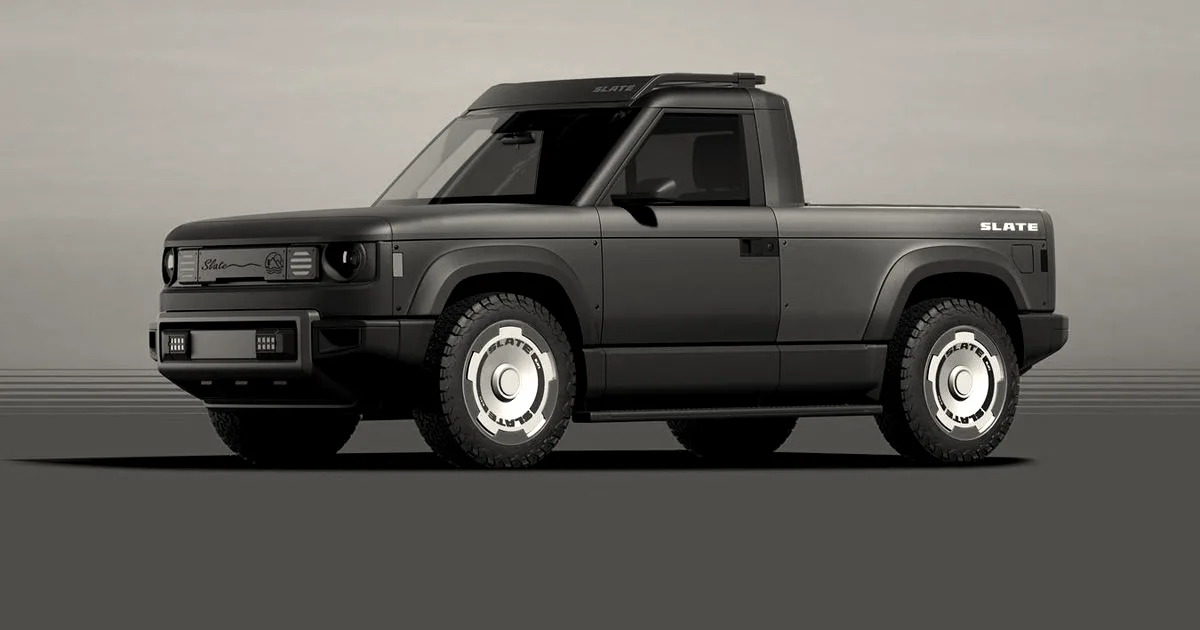
On Wednesday, electric vehicle startup Slate revealed a starting price of $24,950 for its stripped-down pickup truck, before destination, taxes, and other fees. Alongside this pricing, the company announced it has changed its battery strategy to simplify its product. The shift eliminates an optional 240-mile battery pack but increases the range of the standard pack from 150 miles to 205 miles. This adjustment reflects how significantly the battery market in the U.S. has changed in recent years.
Slate is transitioning from nickel-manganese-cobalt (NMC) cells to lithium-iron-phosphate (LFP) chemistry. To source these cells, Slate is working with Gotion, a battery company. According to InsideEVs, the cells will be built at a factory in Illinois. The transition highlights a stark trade-off between cost and range:
- NMC batteries: Highly energy-dense, translating to longer range, but expensive due to high nickel and cobalt prices.
- LFP batteries: Less energy-dense, but cheaper by about 40% because they use lower-cost ingredients like iron instead of nickel and cobalt. Additionally, LFP cells can be charged to 100% capacity with fewer concerns about degradation, allowing drivers to use the full pack daily.
This shift mirrors a broader trend in the U.S. automotive market, where automakers including Ford, GM, Rivian, and Tesla now offer models using LFP cells. The industry’s adoption of LFP has also coincided with a transition to cell-to-pack technology—an assembly method where rigid batteries are loaded directly into the pack, bypassing the traditional step of loading cells into modules first. This approach trims manufacturing steps and boosts volumetric energy density, which is particularly helpful for a small vehicle like the Slate truck.
However, the LFP supply chain remains concentrated in China. Early U.S. battery startup A123 Systems was originally founded to commercialize LFP technology, but it fell into bankruptcy and was bought in 2013 by a Chinese auto parts company. Since then, Chinese manufacturers have dominated LFP production. While foreign sourcing previously impacted eligibility for a $7,500 U.S. tax credit, automakers continue to consider Chinese suppliers like Gotion.
Why it matters
Slate’s move to LFP batteries underscores a wider industry pivot toward cost-effective, accessible EV technology and the shifting supply chain landscape. By prioritizing lower production costs over maximum range, the startup highlights how battery chemistry choices are shaping the market for entry-level electric vehicles.