Startups & Funding
Kompas VC raises €160 million for industrial startups
Kompas VC has raised a €160 million fund to invest in startups focused on industrial competitiveness, decarbonization, and productivity across a fragmented geopolitical landscape.
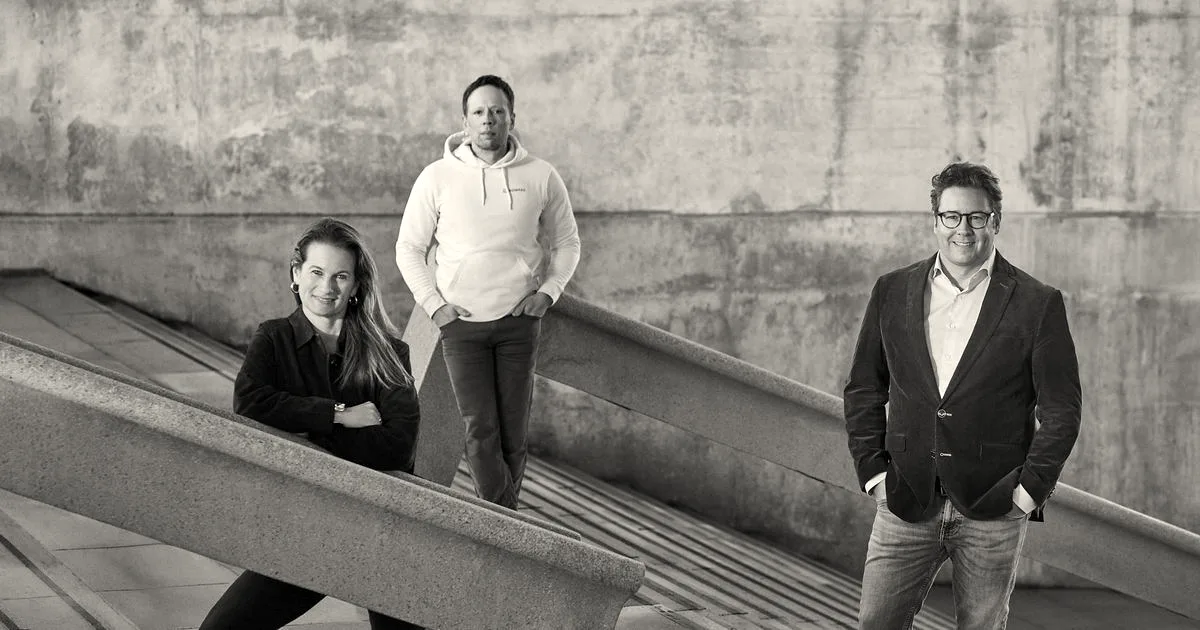
Venture capital firm Kompas VC, which operates out of offices in Amsterdam, Copenhagen, Berlin, and Barcelona, has raised a new €160 million ($187.5 million) fund. The firm plans to use the capital to back early-stage startups tackling core industrial competitiveness challenges, focusing on sectors like manufacturing, supply chains, critical infrastructure, and sustainability.
The firm is deploying this capital into a significantly changed market. When Kompas VC was founded in 2021, there was broad enthusiasm for industrial and sustainability themes. By 2026, the investment paradigm has shifted. “In 2026, we’re in a very, very different paradigm. It’s all about AI, it’s all about fast growth, very explosive growth,” Peck said, noting that these big topics are not really what the firm stands for. To navigate this landscape, Kompas VC relies on a regionally sensitive strategy. Peck explained that the firm views the world as divided into three main spheres of economic and political activity: the U.S., Europe, and China, which follow very different trajectories.
Instead of chasing these explosive growth trends, Kompas VC focuses on the physical world, specifically targeting startups working on decarbonization, productivity, and risk management. The firm’s investment structure for the new fund includes:
- Fund size: €160 million ($187.5 million)
- Target sectors: Decarbonization, productivity, and risk management in the physical world, specifically for companies producing physical goods.
- Typical check size: €3 million to €5 million to lead early-stage rounds.
This physical-world focus requires navigating regional fragmentation. For instance, reshoring—the practice of bringing manufacturing back home—is popular in nearly every market. However, other sectors face cultural barriers. Peck pointed to prefab housing (prefabricated buildings manufactured off-site) as an example. While widely used in Scandinavian countries, the approach does not resonate in Germany or the rest of Europe due to cultural conditioning rather than technology. If a startup cannot access the U.S. market, it must carefully evaluate whether a large enough addressable market exists elsewhere to deliver venture-scale returns (financial returns high enough to meet the growth expectations of venture capital investors). Because Kompas VC invests over 10-, 15-year horizons, it must build strategies that can withstand shifting legislative periods and unexpected political directions.
Despite these challenges, Peck believes there is a strong opportunity for highly focused, specialized, smaller funds to act as the first check-in and back specific founders and themes.
Why it matters
Kompas VC’s new fund highlights the growing necessity for venture firms to adopt regionally sensitive strategies to navigate geopolitical fragmentation, particularly for startups in the physical and industrial sectors.