Apps & Consumer
Ozlo pivots to platform model with new SDK and Segotia acquisition
Sleepbuds maker Ozlo is transitioning into a platform provider, opening its SDK to third-party apps and acquiring neurotech firm Segotia to enter the medical device market.
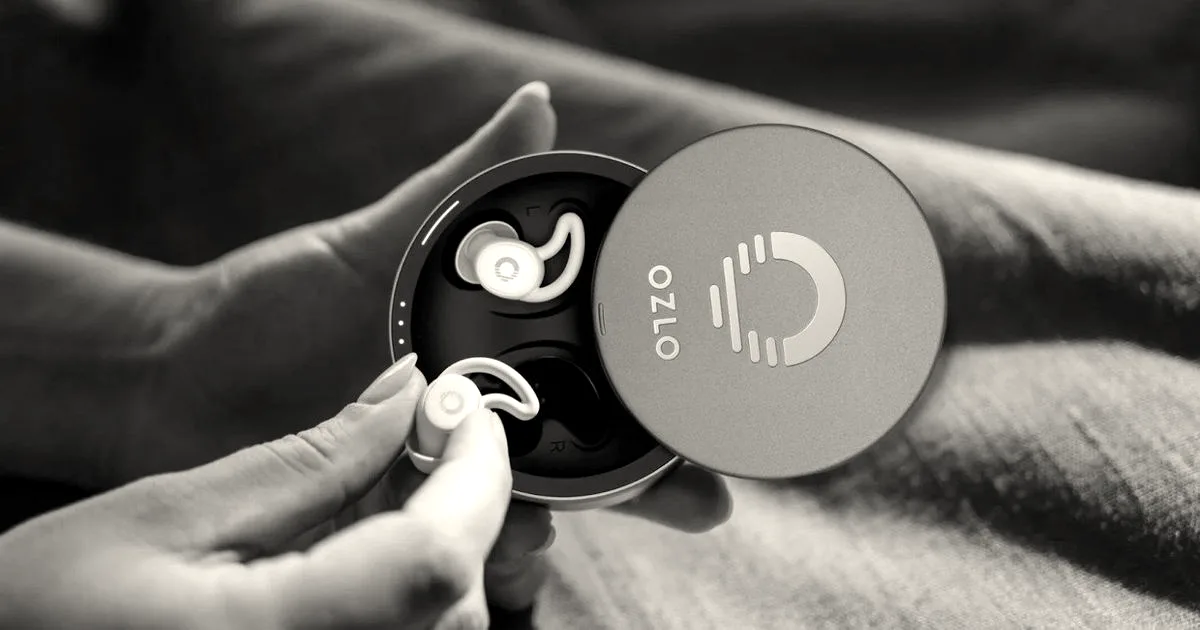
Ozlo, a company founded by former Bose employees, is shifting its business model from a consumer hardware company to a platform provider. This transition is highlighted by its acquisition of Segotia, an EEG-focused neurotech firm. To build this platform, Ozlo is opening its Software Development Kit (SDK) to third-party partners. The company announced a partnership with the meditation app Calm last month, and met with prospective partners during CES meetings this week. These new partners could help Ozlo tap into new audiences and build a revenue model beyond consumer-focused hardware.
By opening its SDK, Ozlo aims to create a closed-loop feedback system that measures content effectiveness using sleep data. “The way we did that from the beginning is we built the iOS and Android SDK — so our first-party app actually runs on that SDK. That means whatever you see in our app can be made available to anybody,” said NB Patil, Ozlo co-founder and CEO. This allows content creators to see if their material is actually working. Patil noted that content creators often do not understand how their content works in the field because there is no data.
The 60-person company is also expanding its product roadmap for Q2, which includes several updates and new releases:
- AI Features: Expected in the second quarter, Ozlo plans to introduce an AI agent that customers can text with. An Easter egg in the app—triggered by opening and closing the case five times—reveals the “buddy” character.
- Tinnitus Therapies: Launching in Q2 as a subscription, these therapies address the ear-ringing problem that affects 15% of Ozlo’s customer base. The company teamed up with Walter Reed Hospital last year for a clinical study on the condition.
- Updated Hardware: Arriving in Q2, the updated case will feature changed contours to ensure the sleepbuds seat perfectly, alongside a Bluetooth pairing button.
- Bedside Speaker: A 4×6-inch bedside speaker will launch in Q2, offering similar functionality to the Sleepbuds without requiring in-ear use. This allows Ozlo to market to families with children under 13, who are not advised to wear earbuds at night.
Looking further ahead, Ozlo is developing electroencephalography (EEG) technology for a 2027 launch. By custom-designing an eartip to measure electrical signals from the ear, the company plans to derive delta signals from the brain to track sleep and awareness.
To support this rapid expansion, the company is currently in the process of closing a Series B funding round. According to Patil, more details on the funding round will be shared in the month ahead.
Why it matters
Ozlo’s shift from a single-product hardware company to a data-driven platform provider signals a broader trend in health-tech, where consumer devices aim to capture recurring revenue through software and medical-grade insights.