Policy & Regulation
India unveils billions in new incentives to challenge China's smartphone dominance
India unveiled a smartphone manufacturing scheme worth about $6.5 billion and a semiconductor push worth around $13.3 billion to pull supply chains away from China.
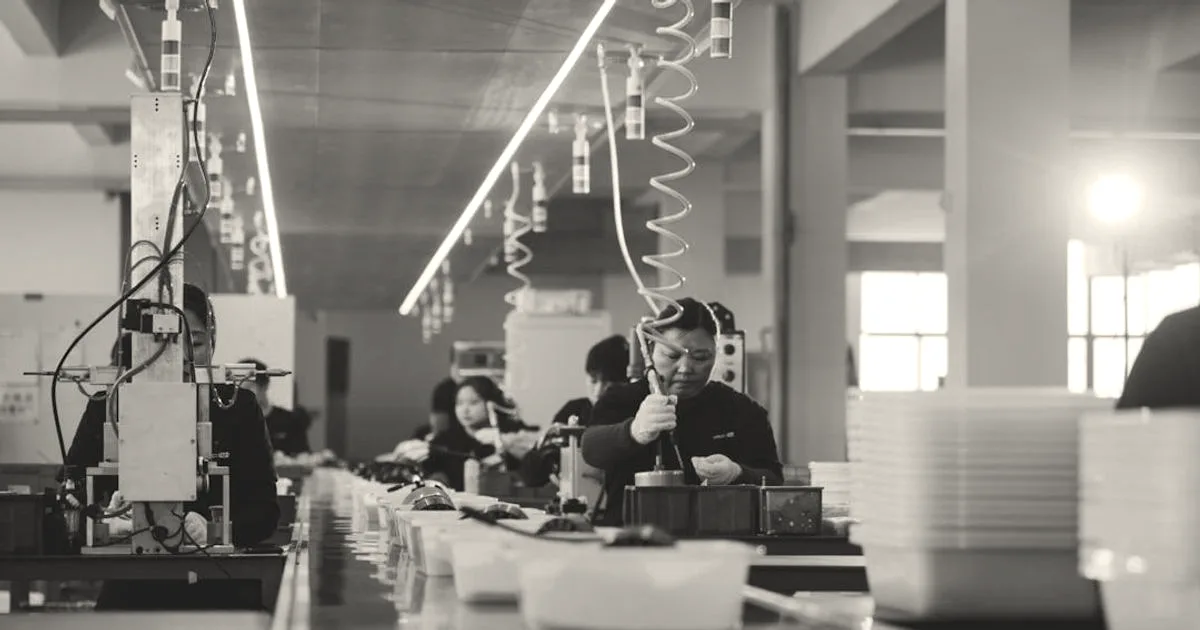
India unveiled billions of dollars in new incentives for smartphone manufacturing and an expanded semiconductor push on Wednesday, aiming to build on its success assembling Apple’s iPhones and pull more of the global electronics supply chain away from China. The push has two parts:
- Mobile Phone Manufacturing Scheme: about $6.5 billion over five years, rewarding manufacturers based on eligible sales with incentives ranging from 2.25% to 5%, plus an additional 1.5% for sourcing key components and sub-assemblies in India. It also adds a 3% incentive on eligible sales for product design and research aimed at developing homegrown Indian phone brands, IT Minister Ashwini Vaishnaw said.
- Semiconductor push: around $13.3 billion to expand a chip-incentive program New Delhi launched in 2021, adding support for chip equipment, materials, design, and research.
Over the past decade, India has become an increasingly important smartphone manufacturing hub, drawing production from Apple, Samsung, and Chinese brands including Xiaomi, Oppo, and Vivo. Apple began assembling iPhones there in 2017 and has since expanded through suppliers including Foxconn and India’s Tata Group, with about 25% of its iPhones now made in India as it diversifies beyond China. Still, India has a long way to go: China accounted for 63% of global smartphone production in 2025, versus India’s 18%, according to Counterpoint Research.
The program marks a shift from India’s earlier assemble-more approach toward what Navkendar Singh, associate vice president at research firm IDC, called “depth, R&D and local value capture” — India has excelled at final assembly, he told TechCrunch, while remaining reliant on imported components. Apple stands to benefit directly, he added, as India’s strengthening manufacturing and export credentials give it more confidence to diversify away from China while pushing suppliers to localize sourcing.
The smartphone scheme runs through March 2031; New Delhi expects it to generate around $405 billion in mobile-phone production and create about 60,000 direct jobs. Pankaj Mohindroo, chairman of the India Cellular and Electronics Association, said India should aim to capture 35% to 40% of global mobile-phone production.
Why it matters
The strategy doubles down on India’s proven ability to assemble hardware while trying to build the deeper component and semiconductor ecosystem that has underpinned China’s dominance — a shift that could reshape sourcing decisions for Apple and other manufacturers looking to diversify beyond China.