Startups & Funding
Atech raises $800,000 to bring 'vibe coding' to hardware
Danish startup Atech has raised $800,000 in pre-seed funding to apply "vibe coding" AI tools to the hardware prototyping process.
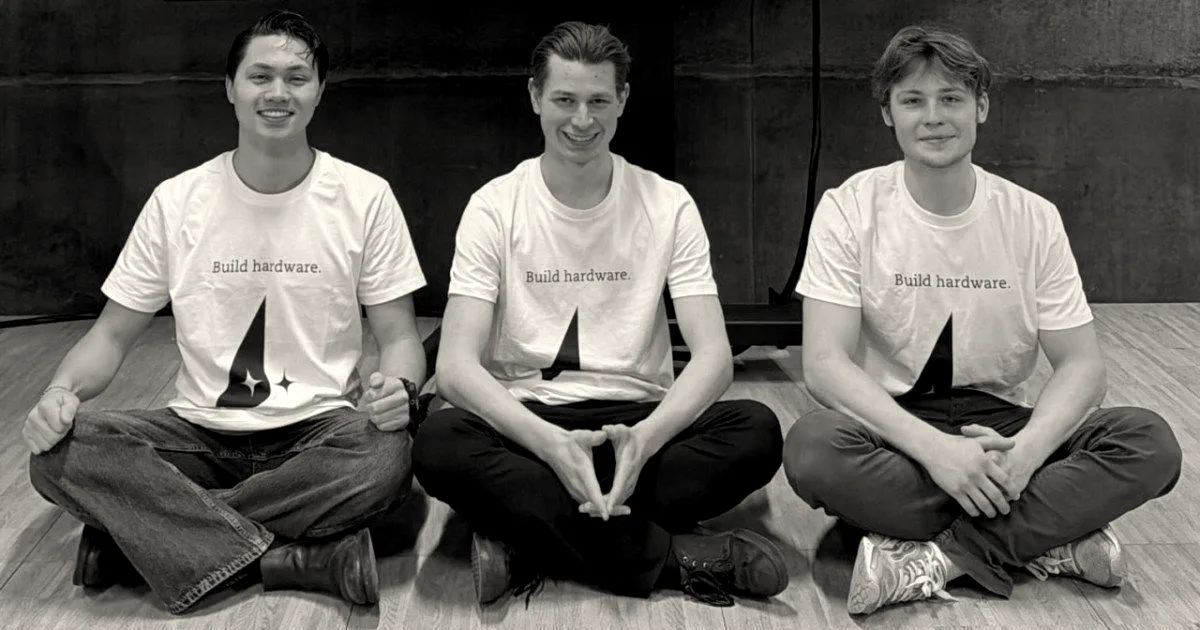
Danish hardware startup Atech has raised an $800,000 pre-seed funding round to introduce “vibe coding” to the hardware creation process. The investment round saw participation from Lovable, an AI-powered app-building platform, alongside the scout fund of Andreessen Horowitz (a16z), the Sequoia Scout Fund (backed by US venture capital firm Sequoia Capital), and Nordic Makers. The startup intends to use the newly secured capital to fund its ongoing research and development, expand its marketing efforts, and support new hiring.
In a conversation with TechCrunch, Atech’s head of customer experience, Gustav Hugod, explained that the platform’s workings are designed to be straightforward. Users purchase a starter hardware kit for whatever they are trying to build directly from Atech’s website. They then open a tab on the site, talk to an AI chatbot, and describe the hardware concept they are trying to build. The AI tool then generates the code that helps them build a working prototype. Hugod noted that the company’s user base is already broad, ranging from four-year-olds building cars to a hydrogen synthesis plant that needs precise voltage sensing.
Typically, building any type of hardware prototype requires decades of experience or finding expensive engineering talent. Atech plans to lower these barriers by applying the same AI-driven accessibility gains seen in software development to physical engineering. Hugod noted that as software has become far more accessible, the difficulty of building in the hardware space will follow a similar path. “Hardware, in a democratized world, has to be available to everyone,” Hugod said.
Why it matters
Atech intends to use its new pre-seed funding to bring “vibe coding” to hardware development, aiming to lower the barrier to entry for building hardware prototypes.