Startups & Funding
Lux Aeterna raises $10 million to make satellites reusable
Lux Aeterna raised $10 million to develop reusable satellite technology, aiming to enable dynamic upgrades by bringing spacecraft back to Earth for component updates.
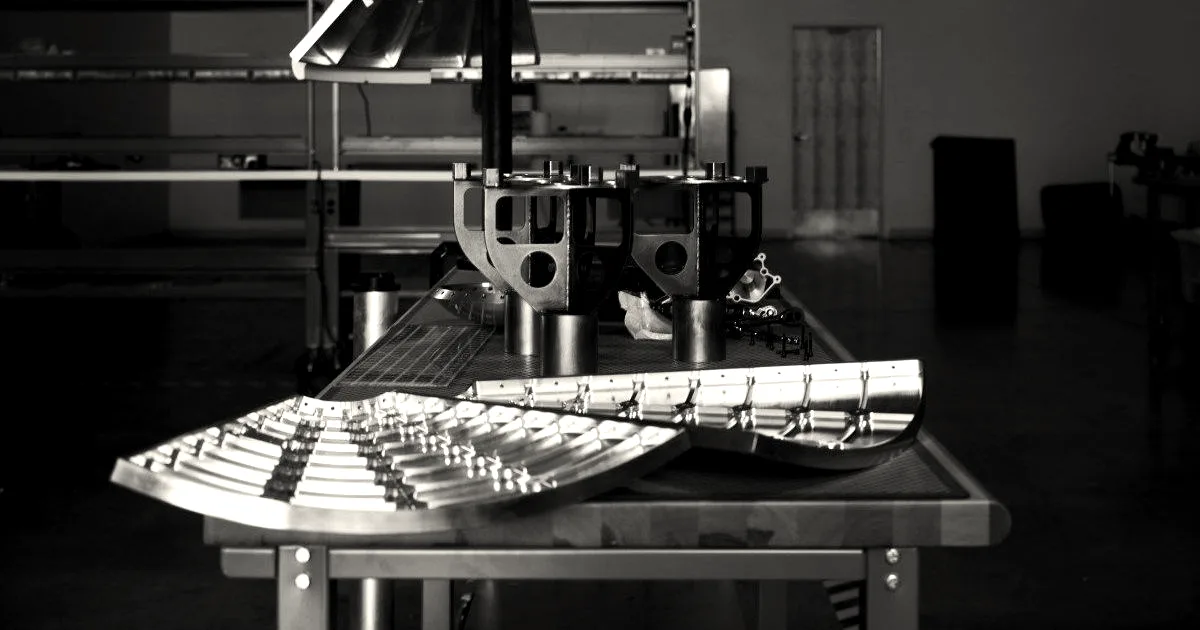
Lux Aeterna, a space startup founded in December 2024 by former SpaceX employee Brian Taylor, has secured a seed funding round to develop reusable satellite structures. The company aims to move beyond the industry standard of single-use hardware by building spacecraft capable of returning to Earth with their payloads intact.
The financial details of the round include:
- Funding amount: $10 million
- Round type: Seed round
- Lead investor: Konvoy
The capital will support the design and construction of the company’s Delphi spacecraft, which has a confirmed spot on a rocket from SpaceX (the launch provider) and is expected to launch in the first quarter of 2027. The mission will allow customers to test hosted payloads (equipment or experiments carried on a satellite) that will return to Earth. Currently, satellites have a useful life of five to 10 years before they are decommissioned. Lux Aeterna wants to enable a “dynamic upgrade capability” to extend this utility. As Taylor explained, “[I]f you have a payload component, whether it’s compute or a hyperspectral camera, and you want to update that technology every year, instead of having to build new satellites and keep those old ones up in space, you can bring them down and go back.”
Bringing hardware back to Earth is notoriously difficult. Historically, the extreme environment of atmospheric return has been restricted to crewed vehicles like the Space Shuttle, which “saw one vehicle lost due to the extreme environment of reentry.” While startups like Inversion and Varda Space are also tackling reentry, they face steep regulatory hurdles. Varda Space, which has flown five missions and returned capsules on four, “saw its plans delayed for several months as it worked to convince the FAA that its returning capsule wouldn’t threaten people or property on the ground below.” To bypass immediate U.S. regulatory bottlenecks, Lux Aeterna has partnered with aerospace firm Southern Launch to land its spacecraft in Australia. Taylor says that regulatory approvals will not be a bottleneck for the next three or four years, but expects the FAA (the US aviation regulator) to adapt as the industry matures.
Why it matters
Lux Aeterna aims to enable “dynamic upgrade capability” for satellites by developing reusable structures with heat shields, potentially allowing operators to update components like compute or cameras without building entirely new satellites.