AI & Models
Microsoft shifts to in-house AI models to cut costs
Microsoft has reportedly begun shifting from third-party AI providers to its own in-house models to reduce costs, joining a broader trend of corporate AI spending cuts.
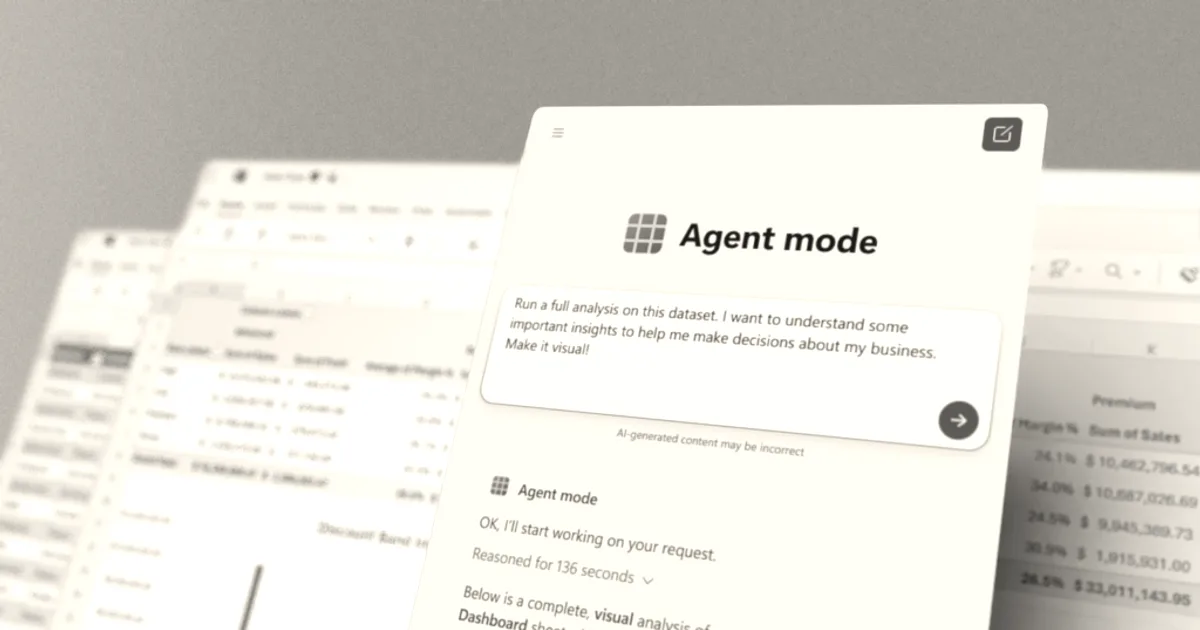
Microsoft has reportedly initiated a cost-savings strategy aimed at reducing its reliance on third-party artificial intelligence software from providers OpenAI and Anthropic. Instead of relying solely on these external partners, the company has begun deploying its own in-house models. According to a Bloomberg report on Tuesday, Microsoft has started using its homemade MAI models—which are Microsoft’s in-house AI models—to respond to a certain percentage of user prompts within its Excel and Word applications. In the past, the company had advertised that large parts of its Office 365 suite were powered by models from both OpenAI and Anthropic. While Microsoft still relies on these third-party models, the shift represents an effort to deploy its own alternative systems to handle tasks.
To support this transition, the company is expanding its model lineup. Last month, at its annual Build conference, Microsoft announced the launch of seven new MAI models. This release includes specialized tools designed for distinct tasks, such as an agentic coder (an AI model capable of writing code) and a text-to-image generator (an AI model that creates images from text prompts).
This shift away from external providers is part of a broader industry trend. Following a brief period of “tokenmaxxing”—a term referring to maximizing token usage in AI models—the industry has seen a news cycle focused on tech companies acting significantly more thrifty. Other large corporations have reportedly taken steps to curb their AI spending, including:
- Amazon
- Uber
- Meta
- Accenture
The immense cost of providing and buying AI services has created significant financial pressure. In some parts of Silicon Valley, the sticker shock associated with these services has gotten so severe that some companies are reportedly looking to Chinese models for more affordable agentic solutions (AI systems capable of performing tasks autonomously). However, this potential shift has raised concerns regarding potential security issues.
Why it matters
Microsoft’s pivot highlights a critical shift in the AI industry: as the cost of maximizing token usage becomes unsustainable, major players are moving from third-party dependency to in-house infrastructure to protect margins.