Markets & Business
Index Ventures co-founder predicts a coming wealth redistribution
Neil Rimer, a co-founder of Index Ventures, says AI wealth concentration will trigger redistribution — voluntary or, he warns, involuntary.
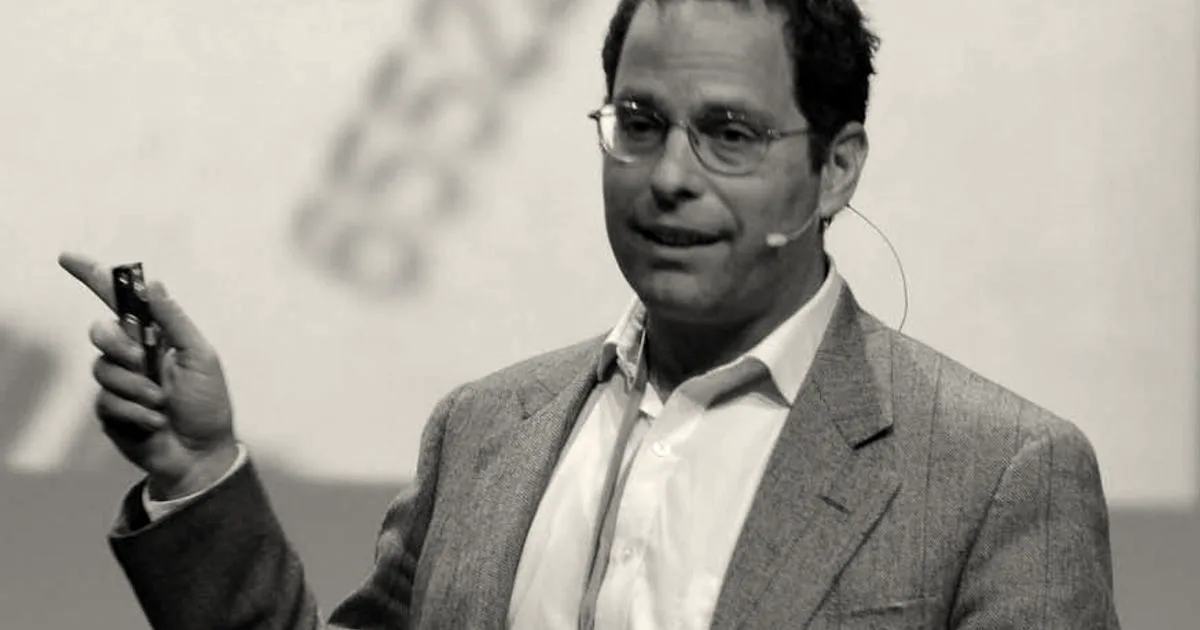
Neil Rimer, a co-founder of Index Ventures — one of the most successful venture firms of the last three decades — says he has “a strong sense that there will be some sort of a redistribution” of the wealth piling up around artificial intelligence. “It’ll either be voluntary or it’ll be involuntary, but it’ll happen, and I hope it’s voluntary,” he said, adding that tech leaders can help lead the process.
Index has raised roughly $15 billion from outside investors since its founding, and last year’s exits — including Figma’s IPO and Google’s purchase of the cybersecurity firm Wiz — reportedly netted the firm roughly $9 billion. Its portfolio includes Anthropic, which matches employee donations of up to 25% of their equity to charity.
Rimer’s comment lands as voluntary giving is declining. The Giving Pledge, the 2010 commitment from Warren Buffett and Bill Gates that asks billionaires to give away half their fortunes, drew 113 new signatories in its first five years; just four joined in all of 2024. Total American charitable giving hit a record $592.5 billion in 2024, but the share of Americans who actually give has fallen for five straight years, down 4.5% that year alone; two-thirds of households donated in 2000, versus roughly half now.
Meanwhile the fortunes at stake keep growing. Elon Musk is worth just over $1 trillion after SpaceX’s IPO last month made him the first person to reach that mark. Forbes counted 45 new AI billionaires in its 2026 rankings alone, worth a combined $2.9 trillion — and neither Anthropic nor OpenAI has gone public yet. Once they do, their combined employees will hold enough wealth to buy nearly a third of homes in the San Francisco metro area, Business Insider has reported.
Policy is starting to fill the gap voluntary giving has left. California voters will decide this year on a 5% one-time wealth tax targeting the state’s billionaires; OpenAI has reportedly discussed handing the federal government a 5% equity stake, an idea CEO Sam Altman has framed as sharing AI’s upside with the public.
Rimer, who gave $13 million with his family to McGill University in late 2021 and chaired the board of Human Rights Watch from 2019 to 2025, points to history: Andrew Carnegie’s 1889 “Gospel of Wealth” essay founded modern philanthropy, but voluntary giving didn’t hold off Huey Long’s mid-1930s “Share Our Wealth” movement, which pushed Franklin Roosevelt into a “soak-the-rich” tax that raised the top marginal rate as high as 79%.
Why it matters
If voluntary giving keeps declining while AI fortunes concentrate further, Rimer’s framing suggests forced redistribution — via taxes or negotiated equity stakes — becomes more likely, a precedent that could shape how AI wealth is regulated well beyond Silicon Valley.