Chips & Hardware
Nvidia strikes licensing deal with AI chip rival Groq
Nvidia has signed a non-exclusive licensing deal with AI chip competitor Groq and is hiring key leadership, though it denies a reported $20 billion acquisition.
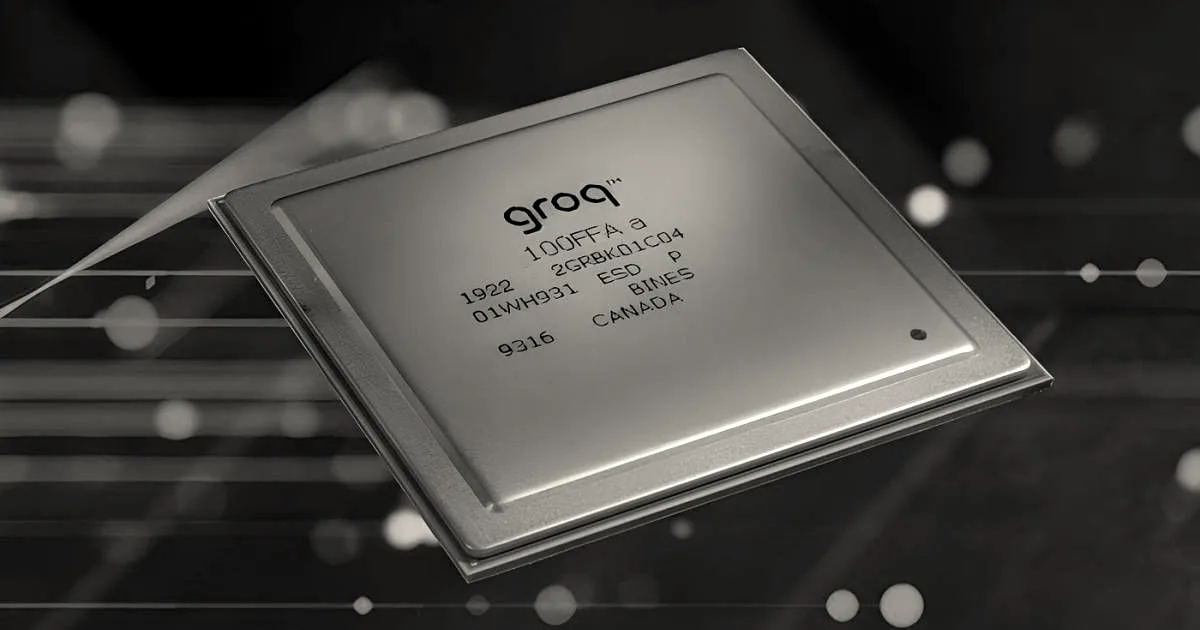
Nvidia has entered into a non-exclusive licensing agreement with AI chip competitor Groq. Under the terms of the agreement, Nvidia will hire Groq founder Jonathan Ross, president Sunny Madra, and other employees from the company. The announcement has been accompanied by conflicting reports regarding the transaction’s structure. CNBC reported that Nvidia is acquiring assets from Groq for reportedly $20 billion. However, Nvidia told TechCrunch that the deal is not an acquisition of the company, though Nvidia did not comment on the specific scope of the agreement. If CNBC’s reported figures are accurate, the transaction would represent Nvidia’s largest-ever purchase, potentially positioning the company to become even more dominant in chip manufacturing.
The agreement centers on Groq’s LPU (Language Processing Unit) technology, a specialized chip architecture designed for AI workloads. As technology companies compete to expand their artificial intelligence capabilities, demand for computing power has surged, making Nvidia’s graphics processing units (GPUs) the industry standard. However, Groq has focused on alternative architectures. Groq has claimed that its LPU can run large language models (LLMs) 10 times faster while using one-tenth the energy of traditional hardware. The technology was developed under the guidance of Ross, who is known for this type of hardware innovation. During his previous tenure at Google, Ross helped invent the TPU (Tensor Processing Unit), which is a custom AI accelerator chip.
The licensing deal follows a period of significant growth for Groq. In September, the company raised $750 million in a funding round that valued it at $6.9 billion. Groq’s developer ecosystem has expanded, with the company stating that its technology now powers the AI applications of more than 2 million developers. This represents a significant increase from about 356,000 developers last year. The transaction details were clarified by Nvidia on 12/24/25, following initial reports of a full acquisition. The update clarified that the deal is a licensing agreement rather than a complete corporate buyout.
Why it matters
Nvidia is absorbing Groq’s efficiency-focused LPU technology and talent to bolster its ecosystem, effectively neutralizing a competitor while avoiding the regulatory scrutiny of a full acquisition.