Compute & Cloud
A fallen power line exposed a growing AI data center risk
A downed power line near Washington, DC, triggered a nearly simultaneous drop of more than 3 gigawatts of data-center load from the PJM grid this week, and it took more than 10 minutes to stabilize.
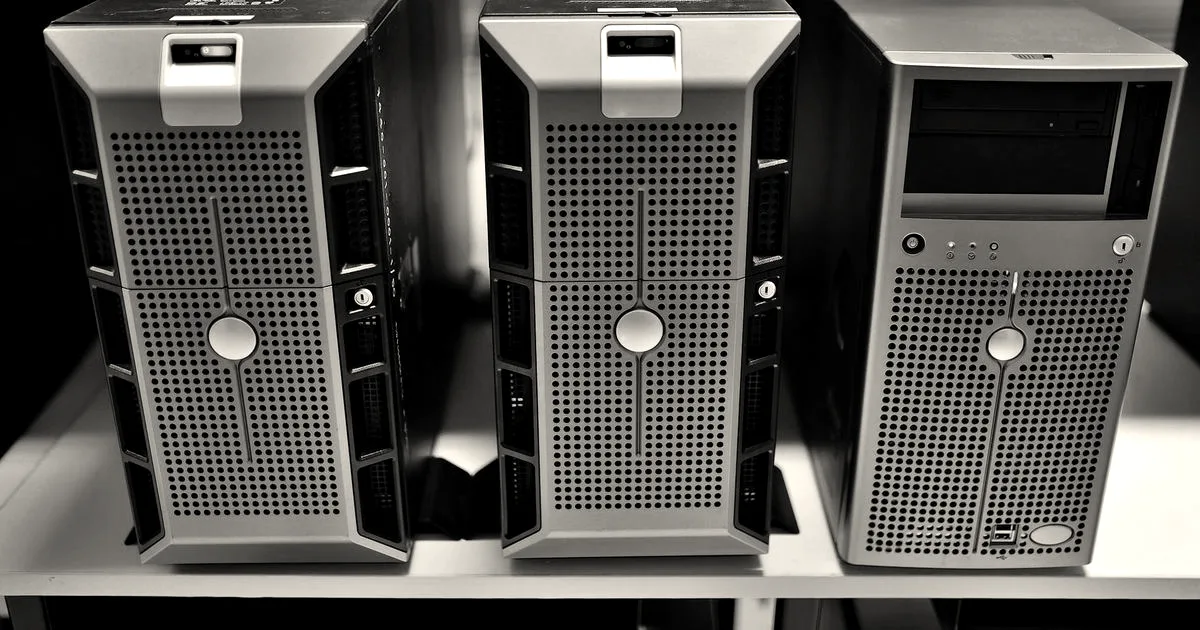
A power line went down outside Washington, DC, this week. Normally the grid recovers from such a fault within seconds. This time it took more than 10 minutes, because more than 3 gigawatts of data centers stopped drawing power nearly simultaneously, sending voltage swinging from Northern Virginia to Chicago, according to data from Ting Labs, a startup that monitors grid conditions through an IoT sensor network plugged into people’s electrical sockets. The event didn’t cause a blackout, but it did make lights flicker across the region.
The grid in question is run by PJM Interconnection, which manages transmission from New Jersey to Illinois and serves 67 million customers — the largest grid operator in the United States. Northern Virginia, in PJM’s territory, is home to the highest concentration of data centers in the world. When the power line failed, those data centers sensed the disturbance and switched to backup power, pulling about 3.1 gigawatts of load off the grid in about 30 seconds. The grid partly recovered, then more facilities dropped off; at its peak PJM’s grid carried an extra 3.49 gigawatts of electricity, and it took another 11 minutes to stabilize. The disconnected data centers represented around 3% of total demand on PJM at the time, according to Reuters.
The problem is coordination, not capacity: most data centers make disconnect decisions in a split second, and this week’s facilities all cut over within a few seconds of one another. “We need to figure a way for these loads that are located next to each other to sequentially either disconnect or reconnect,” said Ali Zain Banatwala, senior market models specialist at the Independent Electricity System Operator. A more orderly process would let grid operators plan around it in advance.
One alternative is building data centers that absorb grid disturbances instead of retreating from them. Startup ON.Energy is installing a total of 3 gigawatts of uninterruptible power supply systems across four data center campuses — batteries and power-conversion equipment that hide a campus’s internal peaks and valleys behind one steady load, letting it draw extra grid power to charge its batteries or dispatch stored power to servers as conditions shift, all within milliseconds. ON.Energy CTO Ricardo de Azevedo described the incident as a warning sign, saying events like it are happening more and more often. Grid managers are responding too: ERCOT, Texas’s grid operator, will require large loads like data centers to “ride through” disruptions. The trend line is steep — this week’s disconnection was twice as large as a similar 2024 PJM event, when 60 data centers dropped 1.5 gigawatts simultaneously and data centers made up about 6% of PJM’s load, according to Synapse Energy Economics. By 2040, they are expected to make up 24%.
Why it matters
As AI-driven data-center footprints keep expanding, this kind of grid coordination problem scales with every new campus PJM connects — and the window to fix it is narrowing: data centers are projected to grow from a mid-single-digit share of PJM’s load to 24% by 2040.