Markets & Business
Plaud hits $100M ARR as AI hardware sales top 2 million units
Plaud has topped $100 million in annualized revenue run rate after selling more than 2 million AI-powered notetaker devices, validating its "post-screen" hardware strategy.
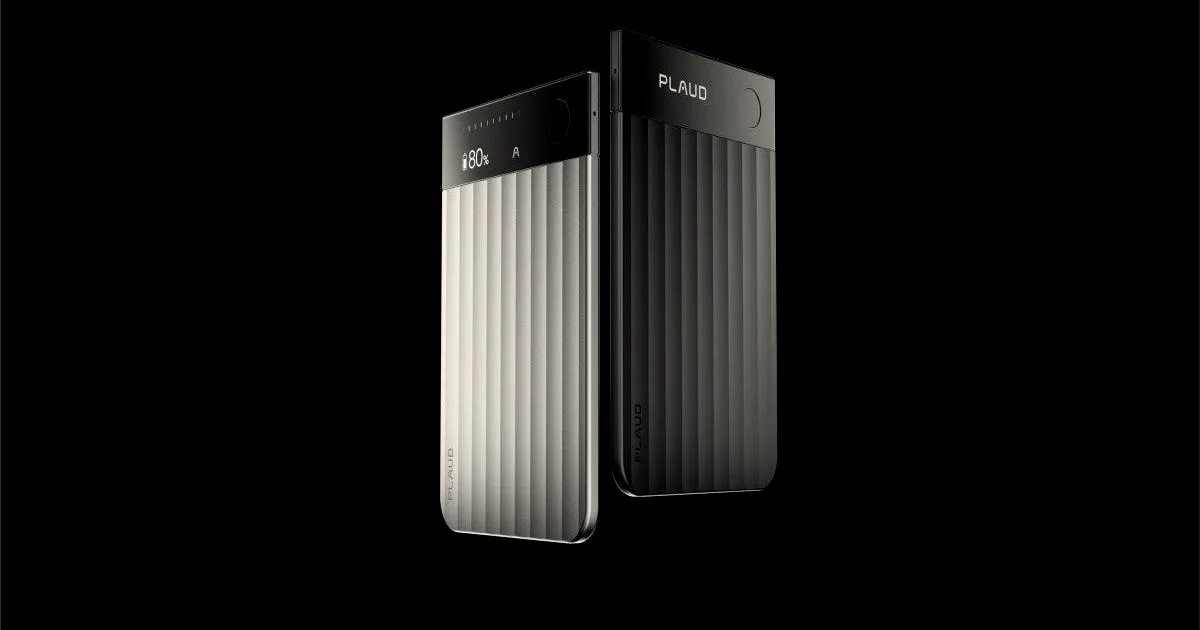
Plaud, a company specializing in AI-powered notetakers, has reported that its software business has topped $100 million in annualized revenue run rate (ARR). This milestone follows the sale of more than 2 million of its hardware devices, which include Plaud Pins and credit-card-styled gadgets that stick to the back of a phone. The company is targeting professionals who take a lot of meetings, offering them physical devices to record and transcribe conversations.
Nathan Xu, co-founder and CEO of Plaud, argues that the company’s growth validates a hardware strategy focused on real-life interactions rather than digital screens. “Most AI companies have scaled through software behind a screen. We took a different path. The conversations that actually move things forward don’t happen on a keyboard. We built the interface for the post-screen world. And the market validated it,” Xu said.
According to Xu, Plaud’s revenue is largely driven by nearly 50% of device users upgrading from basic plans to pro or unlimited plans. The hardware lineup includes the $179 Plaud Pro, which launched last year, and the new Plaud Pin S, which was added this year. Users receive 300 minutes of transcription for free, after which they must purchase paid plans for additional minutes. Earlier this year, Plaud launched a desktop app to capture online meeting audio, and last month, it introduced Plaud Teams with shared memory to target enterprise customers.
The company does not yet sell standalone software subscriptions, meaning that its paid plans are typically purchased by users who already own a Plaud device.
Plaud operates in a highly competitive market for meeting note-taking hardware. Its competitors include:
- Anker
- Viaim
- Vibe
Why it matters
Plaud is providing a rare proof point for the viability of AI hardware, demonstrating that a dedicated device strategy can successfully drive high-margin software subscriptions.