Policy & Regulation
Toronto police arrest trio for operating SMS blaster
Toronto police have arrested three men for allegedly operating an SMS blaster, marking the first known instance of the phishing technology being used in Canada.
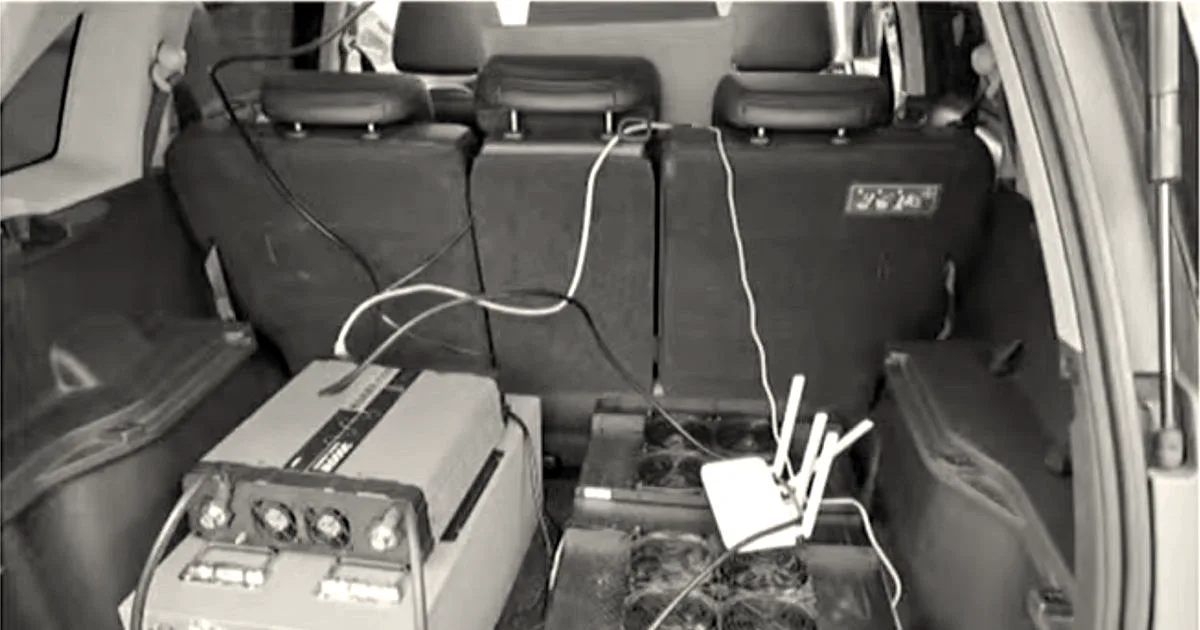
The Toronto Police Service has arrested three men and brought 44 charges against them for allegedly operating an SMS blaster in downtown Toronto. According to a police report, the scheme, which began in November 2025, represents the first known instance of an SMS blaster operating in Canada. An SMS blaster is a device that spoof cell towers to send mass text messages, exploiting security weaknesses in older cellular networks.
The device works by spoofing cell towers and broadcasting a stronger signal than other towers in range, tricking nearby mobile devices into connecting to the blaster. Once connected, the operators can send out thousands of text messages containing links to phishing sites that impersonate legitimate businesses. According to Lindsay Riddell, a Detective Sergeant with the Toronto Police, “The scheme aimed to steal people’s usernames and passwords, including banking credentials.” Authorities noted that the device was uniquely built and operated from the back of a vehicle, allowing it to be used in multiple locations across Toronto. The police also stated that such devices disrupt nearby cellular communications and interfere with 911 emergency services. While police declined to share a photo of the Toronto device for safety reasons, they referenced a photo of a similar SMS blaster found in the United Kingdom during an earlier investigation.
The Toronto Police Service believes tens of thousands of devices were blasted with spammy text messages over several months. This type of mobile threat has precedent. In 2024, police in Thailand arrested gang members for running a similar SMS blaster out of the back of a truck in Bangkok, where the operators reportedly blasted close to a million text messages over a three-day period. To defend against these attacks, users can block attempts by SMS blasters by switching off their phones’ 2G cellular connectivity—an older network standard exploited by these blasters. Users of Apple devices can also turn on Lockdown Mode to disable their 2G radios.
Why it matters
This arrest marks the first known instance of an SMS blaster operating in Canada, a device that exploits 2G network weaknesses to spoof cell towers and conduct phishing attacks.