Markets & Business
Rivian targets mass-market scale with R2 SUV launch
Rivian has begun delivering its R2 SUV, a key vehicle for its mass-market ambitions, planning to deliver between 20,000 and 25,000 units by the end of 2026.
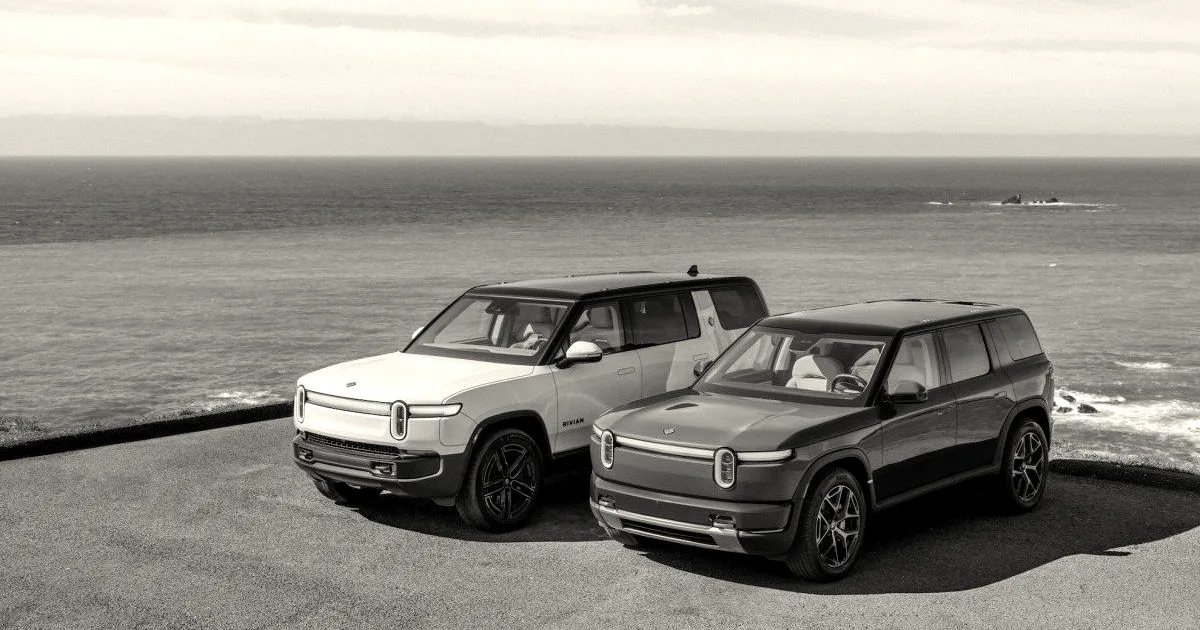
Rivian began officially handing over the first R2 SUVs to customers on Tuesday, marking a new phase for the electric automaker as it attempts to reach mass-market scale. RJ Scaringe, Rivian’s founder and CEO, has described the vehicle as “maybe the most important thing we’ve launched to date,” highlighting the vehicle’s central role in the company’s future plans.
The R2 is built to scale the company’s production, taking elements of the R1 SUV and shrinking them into a more affordable option. Rivian plans to roll out the vehicle across three distinct pricing tiers:
- A starting price of around $58,000 for the initial models.
- A future version priced at less than $50,000, planned for release in 2027.
- A stripped-down model priced at around $45,000, expected later that year.
The automaker aims to ramp up production quickly, targeting deliveries of between 20,000 and 25,000 R2 SUVs by the end of the year. Over the longer term, Rivian aims to build and sell hundreds of thousands of R2 SUVs per year. To support this volume, the company is producing the vehicle at its factory in Normal, Illinois, and expects a new factory in Georgia to come online in late 2028.
This launch arrives at an inflection point—a significant moment of change for the company or market—for electric vehicles in America. The regulatory environment in the U.S. has shifted, and Congress recently eliminated a $7,500 federal tax credit that previously subsidized electric vehicle purchases. While many legacy automakers in the U.S. have scaled back their electric vehicle plans and industry competitor Tesla has seen declining sales, Rivian is positioning the R2 to capture market share. This slowdown in the U.S. market contrasts with the rest of the world, where electric vehicle adoption continues to rise. For example, China continues to produce electric vehicles, prompting countries like Canada to adjust import taxes to manage domestic car prices.
Beyond consumer sales, Rivian is tying its autonomous driving ambitions directly to the R2. The company has established a deal with Uber worth up to $1.25 billion. Under the agreement, Uber has a deal to use as many as 40,000 R2 models as robotaxis—autonomous vehicles used for ride-hailing—on its network.
Why it matters
The R2 launch marks a critical inflection point—a significant moment of change for the company or market—as Rivian attempts to scale to mass-market production. The automaker is pinning its long-term growth and autonomous vehicle ambitions on the success of this vehicle.