Policy & Regulation
Rivian faces NHTSA probe over rear suspension issues
The US federal safety regulator is investigating Rivian’s rear suspension service procedures, a probe that could affect nearly 115,000 vehicles following reports of sudden control loss.
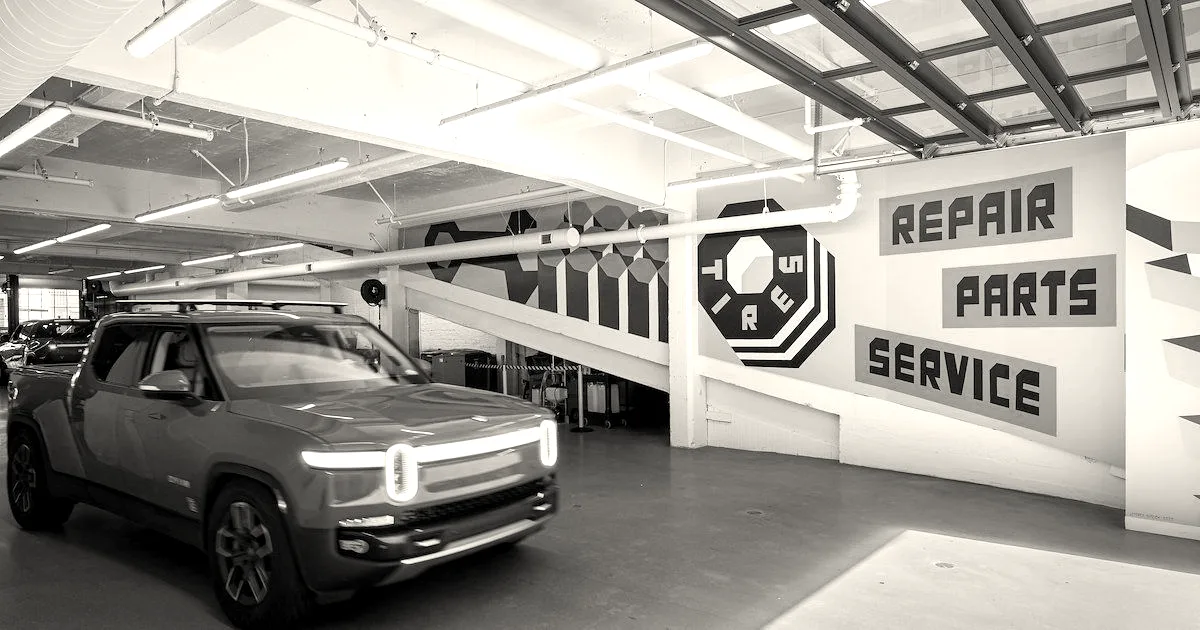
The National Highway Traffic Safety Administration (NHTSA), the US federal safety regulator, has opened an investigation into how electric vehicle manufacturer Rivian services its vehicles’ rear suspension components. The investigation, conducted by the Office of Defects Investigation (ODI), a division of the NHTSA, was announced on Thursday. According to the ODI, the probe could affect nearly 115,000 vehicles. The regulator is examining how and why the rear toe link—a critical suspension component that helps keep the wheel straight—on Rivian’s R1 vehicles is sensitive to foreseeable road and service conditions. The company first realized in March 2025 that the component had a sensitivity to service procedures, which prompted updates to how it handled the part during service and repairs.
The federal safety regulator initiated the probe after receiving two reports from owners who lost control of their cars while driving. Both owners reported a sudden loss of control after a bolt on the toe link “fractured,” according to the ODI. In one complaint, a driver suddenly lost control at highway speeds, swerved into another vehicle, and then “collided head-on with the guardrail.” In the second incident, an owner reported that their R1S “veered over adjacent lanes, over the bike path, onto the side walk and back onto the road and side walk” after the left rear toe link broke. The owner added, “I was left with a sore neck for several days, my apple watch kept trying to call 911 thinking I was in an accident.”
In response, Rivian stated that vehicle safety is a top priority and that its data indicates R1 toe link joints are operating as intended. The company also noted that one of the vehicles involved had been handled by a third-party repair facility. To address vehicles serviced prior to the March 2025 service improvement, Rivian recalled almost 20,000 vehicles in January 2026. The ODI’s current investigation will evaluate Rivian’s current toe link repair procedure, compare the two reported failures, and assess the condition of other 2023-2024 model-year R1 vehicles.
The federal investigation comes as Rivian prepares to begin deliveries of its high-volume R2 SUV. The company has previously noted that reducing mechanical complexity during assembly results in higher quality assurance when vehicles roll off the line, while also improving the ease and expense of servicing the vehicle if the need arises. To support its service network expansion, Rivian plans to add over 50 new service centers by the end of 2027, which would bring its footprint to more than 150 total locations, alongside an expanded mobile service van fleet.
Why it matters
The investigation into Rivian’s rear suspension service procedures comes as the company prepares to deliver its high-volume R2 SUV and expand its service network.