Chips & Hardware
Slate Auto adds Crayola-colored wraps to its customizable EV truck
Slate Auto, the Jeff Bezos-backed EV startup, is partnering with Crayola to offer five vehicle wraps in the crayon maker's signature colors, priced at $1,549.99 each.
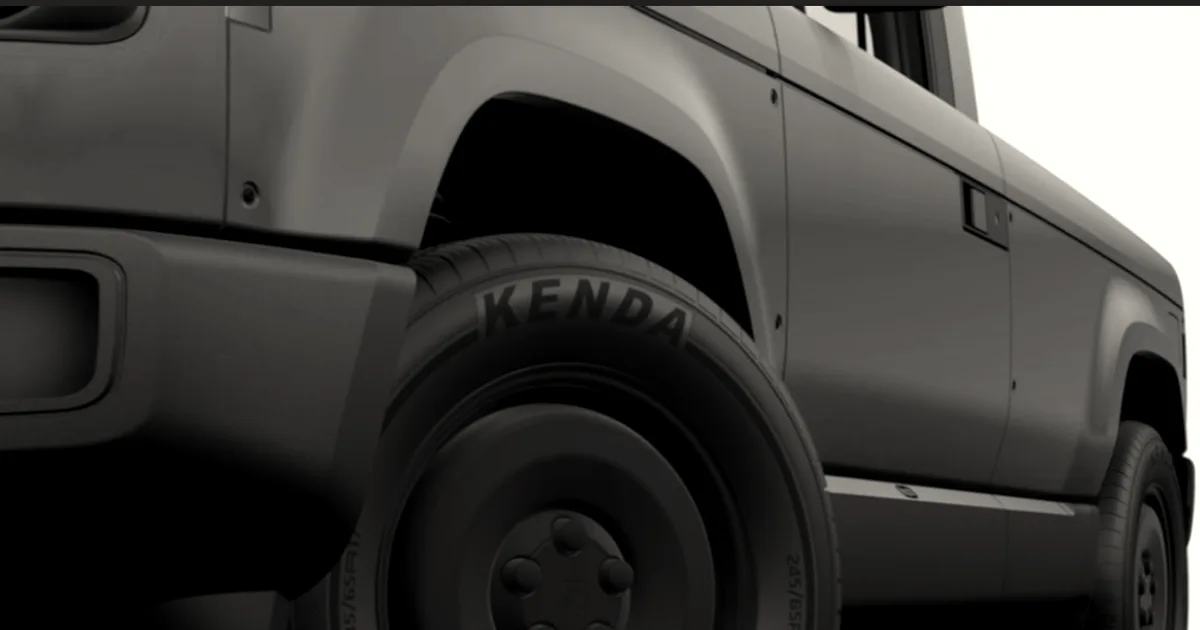
Slate Auto, the EV startup backed by Jeff Bezos, has built its business around simplicity and customization: buyers start with a $24,950 unpainted gray electric truck with 205 miles of range — and none of the usual technological flair — then customize it through vehicle wraps, decals, lighting, and other accessories. The wraps, printed vinyl film applied without painting the vehicle, are central to that strategy, already available in hundreds of colors and combinations. Slate is now adding to that lineup through a partnership with crayon maker Crayola.
Slate said Thursday it will offer five vehicle wraps using signature Crayola colors — Cerulean, Fern, Jersey Tomato, Razzmatazz, and Dandelion — priced at $1,549.99 each. Buyers who choose a Crayola-colored wrap also get a matching Crayola key fob and a “Slatelet,” a custom art piece that snaps onto the dashboard.
This isn’t Slate’s only design collaboration — the company is also working with New York artist Max Kolo on a vehicle wrap — but it is a first for Crayola: Anna Roca, the company’s head of global partnerships, said this is Crayola’s first automotive partnership. Slate wouldn’t say whether it’s working with other companies on more wrap designs, though a company spokesperson said in an email, “we’re excited to welcome Makers, creators, and partners over time,” suggesting further collaborations could follow.
Slate remains a newcomer to the auto industry. It emerged from stealth in April 2025 and has yet to make its first deliveries. Last month, the company revealed its $24,950 base price and began taking preorders for the vehicle, which starts as a two-seat truck and can be reconfigured into a $29,950 five-seat SUV.
Why it matters
Slate’s bet is that a stripped-down, low-cost EV can turn a profit through accessories and collaborations rather than technology — and each new partner, from Crayola to independent artists, tests whether that customization-as-business-model works at scale.