Markets & Business
Ferrari's first EV hits sales target despite early backlash
Ferrari's first EV, the Luce, hit its 2026 sales target in just two months, according to a report by the Financial Times, despite harsh online criticism and an 8% stock drop after its reveal.
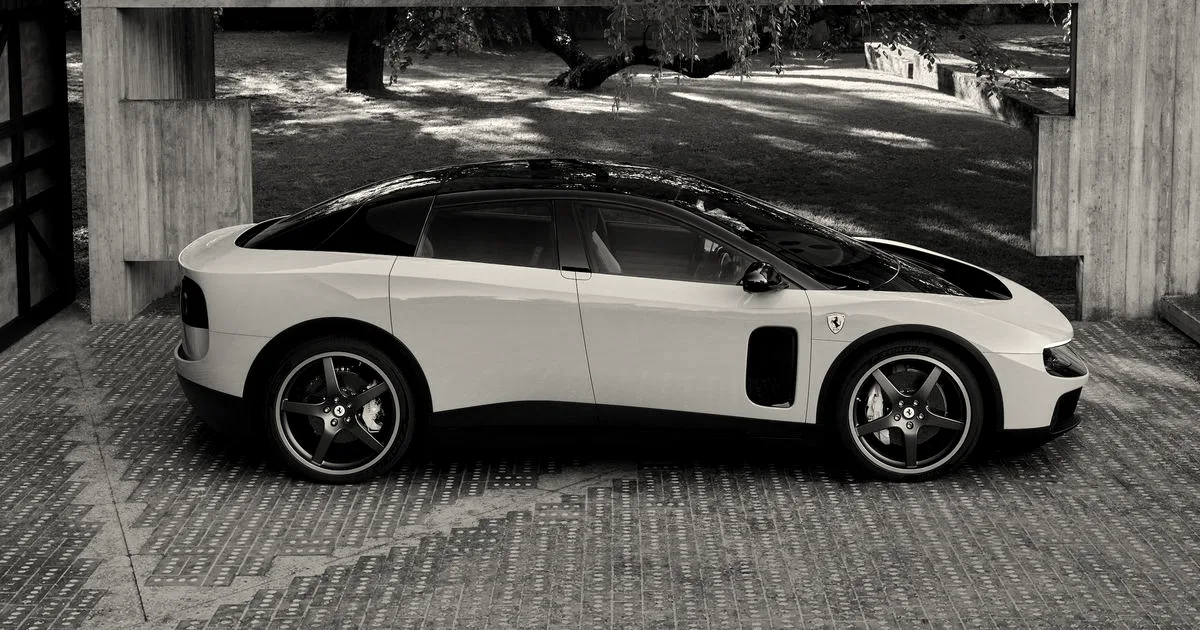
Ferrari’s first electric vehicle, the Luce, reached its 2026 sales target in just two months, according to a report by the Financial Times — a sharp reversal from the hostile reception the car received when it was unveiled to the public in May, and a reminder that early public criticism of a design does not necessarily predict how it sells. Ferrari was hoping to sell just under 500 of the €555,000 ($630,000) EV this year, and based on previous reports, at least 20% of those units are headed to China. Ferrari had not independently confirmed the sales figures at the time of this report.
The backlash following the May reveal was swift and pointed. Critics compared the wedge-shaped Luce unfavorably to a Nissan Leaf and argued that Chinese EVs would outperform it while undercutting it on price. Even former Ferrari chair Luca Cordero di Montezemolo counted himself among the critics. Ferrari’s stock dropped 8% the day after the reveal, and the prevailing verdict online was that the Luce would be a commercial dud.
Much of the online criticism targeted the Luce’s styling, which follows some Ferrari design conventions while breaking sharply from others. The five-seater was largely designed by Jony Ive and his design firm, LoveFrom. It’s possible that seeing the Luce in person, rather than in photos or video, swayed some buyers toward ordering one, since renderings do not always convey how a design reads in person. The Chinese market Ferrari is courting favors fast, sleek four-door EVs, a profile the Luce fits closely.
Ferrari’s customer base helps explain the gap between the online reaction and actual orders. The company has an enthusiastic and price-insensitive customer base: it sold more than 13,000 cars last year, a large volume for an automaker that specializes in six-figure vehicles, and its buyers tend to own several models — making it plausible that 500 of them wanted a practical vehicle that is still a Ferrari. Early reviews suggest the Luce drives like a Ferrari should despite its unconventional five-seat body, and it still carries the brand’s prancing-horse badge on the hood.
Why it matters
The Luce’s early sales performance suggests that for Ferrari’s price-insensitive, brand-loyal customer base, online design criticism and a same-day stock drop carry less weight than the badge itself — a dynamic other legacy automakers entering EVs may not be able to count on.