Chips & Hardware
SpaceX scrubs first Starship V3 launch attempt
SpaceX scrubbed the first launch of its third-generation Starship rocket system, with another attempt expected on Friday as the company prepares for an upcoming IPO.
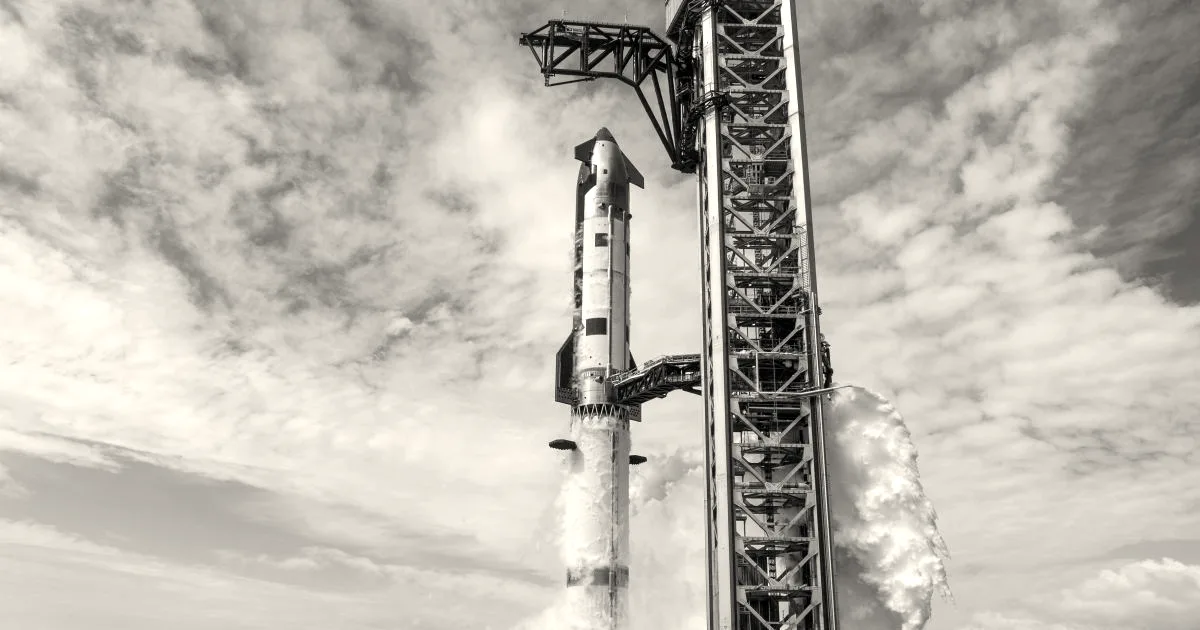
SpaceX has scrubbed the first launch attempt of its third-generation Starship rocket system from its headquarters in Starbase, Texas. The countdown for Starship’s 12th launch attempt was halted at T-40 seconds on Thursday, following multiple recycles of the countdown due to issues with rocket and launchpad systems. According to SpaceX CEO Elon Musk, the delay occurred because the “hydraulic pin holding the [launch] tower arm in place did not retract.” Musk noted on the social media platform X that the issue can be fixed tonight, with the company expected to make another launch attempt on Friday at 5:30 p.m. local time. This flight represents the first flight of Starship since the company’s last launch attempt in October 2025.
The launch comes at a pivotal financial moment for the aerospace company. SpaceX recently filed for an Initial Public Offering (IPO)—the process of listing a company’s shares on a public stock exchange—and is expected to go public within weeks. Demonstrating the reliability of the Starship V3 system is critical to supporting its Starlink satellite constellation business. According to the company’s IPO filing, Starlink generated $11 billion in revenue last year. While SpaceX has previously demonstrated Starship’s ability to deploy dummy versions of its upgraded Starlink satellites, it has not yet placed a working payload into space using the new rocket system.
This mission is designed to test upgraded V3 hardware, which has faced development challenges. In November, one of the first V3 boosters suffered an explosion during testing. Additionally, the new design aims to prevent issues observed in previous flights, specifically leaking propellant from building up inside certain sections of the Starship upper stage. The ultimate goal is to make the vehicle fully reusable, similar to the Falcon 9 workhorse rocket.
For this specific flight, SpaceX does not plan to recover the booster or the Starship vehicle. Instead, both are expected to perform soft landings in the water, with the booster landing in the Atlantic Ocean and the Starship vehicle in the Indian Ocean. Because the vehicle will not fly in a true Earth orbit, SpaceX will require subsequent missions to prove the upper stage can deliver commercial payloads.
Why it matters
This launch is a critical validation of the upgraded Starship V3 hardware, which is essential for the long-term viability of the Starlink satellite business and carries significant weight as SpaceX moves toward its expected IPO.