Markets & Business
Tesla deliveries miss expectations as sales growth stalls
Tesla delivered 358,023 EVs in Q1, missing analyst expectations, as cheaper models failed to significantly boost sales and the company risks a third consecutive year of sales decline.
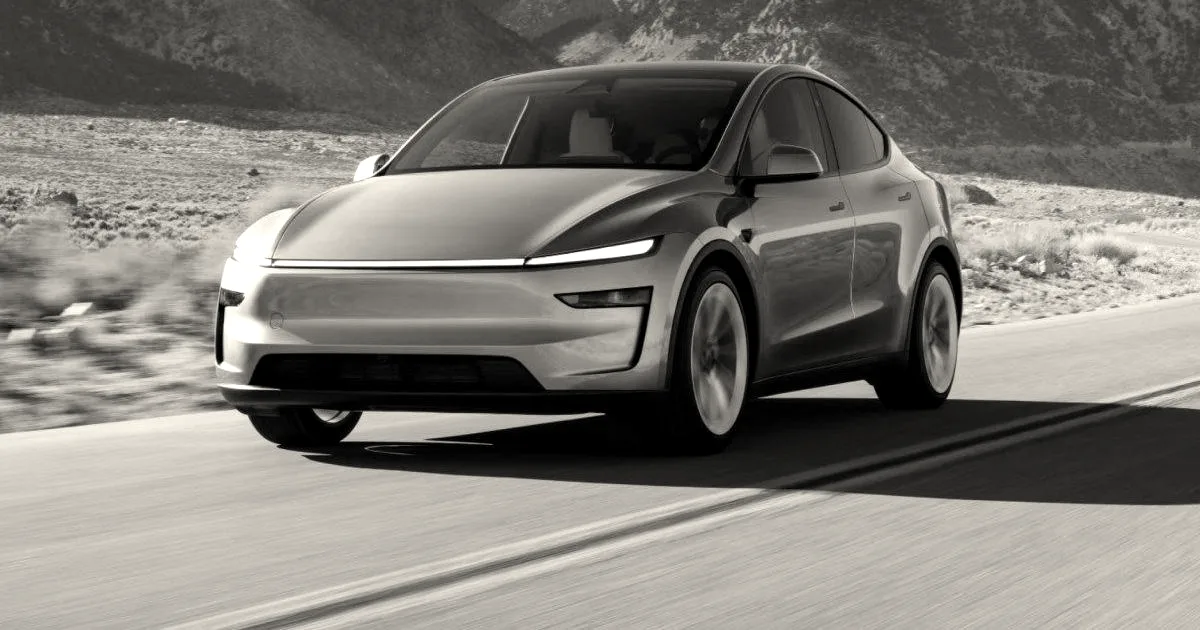
Tesla announced on Thursday its delivery and production figures for the first quarter of 2026. The electric vehicle manufacturer reported a gap between the number of vehicles it manufactures and those it hands over to customers, which are counted as deliveries.
During the first quarter, Tesla’s operational results included:
- Vehicles produced: 408,386 vehicles
- Vehicles delivered globally: 358,023 electric vehicles (EVs)
The delivery figures fell below analyst expectations, which were around 368,000 vehicles. Although Tesla delivered about 6% more cars in the first quarter of 2026 than in Q1 2025, this growth comes against a comparison quarter that was affected by temporary production line shutdowns, meaning the Q1 2026 figures likely do not represent a significant real improvement.
The results indicate that Tesla’s strategy to introduce cheaper vehicles is not significantly improving overall sales. Last October, the company introduced cheaper, stripped-down versions of its Model Y and Model 3, priced starting at $39,990 and $36,990, respectively. However, these lower-priced models have not moved the needle much for overall sales volume. This stagnation is notable for a company that previously targeted a 50% annual growth rate in EV sales. With profits also falling, Tesla now risks a third consecutive year of sales decline.
Tesla’s product pipeline offers few immediate alternatives for mass-market growth. CEO Elon Musk canceled a planned low-cost EV project, which was expected to cost around $25,000, in favor of the CyberCab autonomous vehicle project. Meanwhile, the Cybertruck—the only new model Tesla has released in recent years—has been a failure relative to expectations. In the first quarter, Tesla sold 16,130 units of its “other models,” a category that includes the Cybertruck alongside the Model S and Model X.
The struggle to expand EV sales is reflected across the United States market. Traditional, long-established car manufacturers (legacy automakers) have scaled back or canceled their electric vehicle plans, while newer players face similar struggles. Competitor Rivian, which is struggling with EV sales growth, reported shipping just over 10,000 vehicles in the first quarter. While Rivian plans to launch its cheaper R2 SUV to boost sales, the cheapest version of that model is not expected to arrive until late 2027.
Why it matters
Tesla’s inability to drive volume with its lower-priced models, coupled with declining sales and profits, threatens a third consecutive year of sales contraction for the EV giant.