Policy & Regulation
Tesla drops Autopilot brand amid California regulatory pressure
Tesla is discontinuing its Autopilot brand to comply with a California deceptive marketing ruling while shifting its FSD software to a subscription-only model.
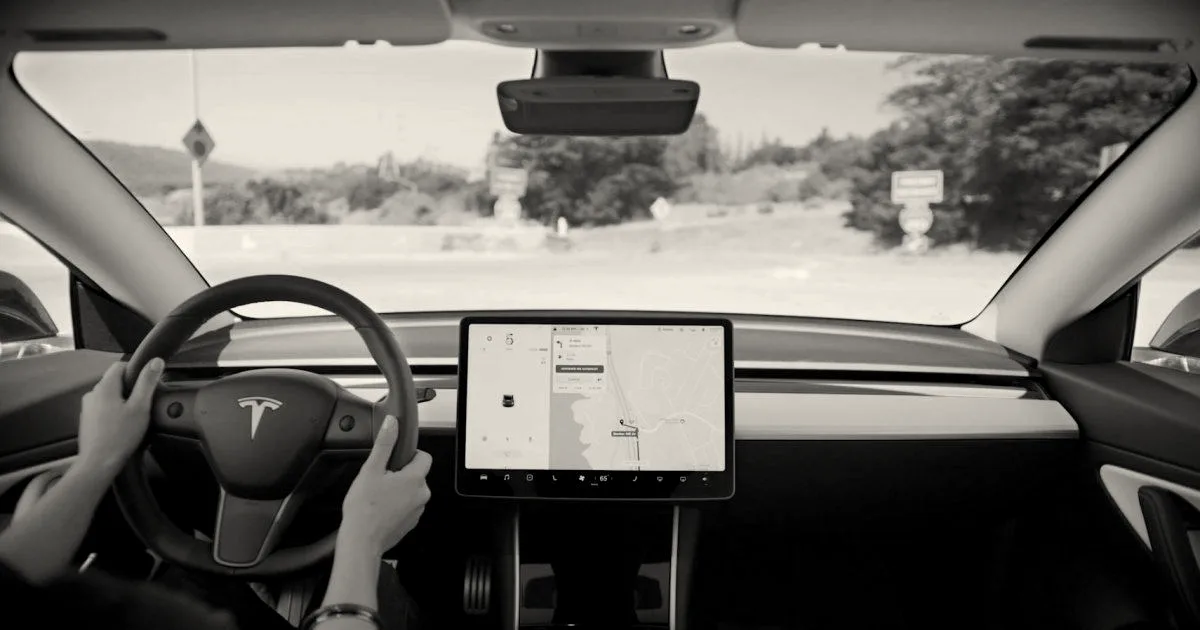
Tesla is discontinuing its Autopilot brand to comply with a regulatory ruling in California. In December, a judge ruled that Tesla engaged in deceptive marketing by overstating the capabilities of Autopilot and FSD for years. Following the ruling, the California Department of Motor Vehicles (the state’s automotive regulator) issued a 30-day suspension of Tesla’s manufacturing and dealer licenses. However, the regulator stayed the ruling for 60 days to allow Tesla to comply by dropping the Autopilot name.
Alongside the brand retirement, Tesla is restructuring how it sells its driver-assistance software to boost adoption. Starting February 14, the company will transition to a subscription-only model for its Full Self-Driving (FSD) software.
The financial transition details include:
- The removal of the one-time $8,000 fee for FSD software.
- A monthly subscription price of $99, which Tesla CEO Elon Musk stated will increase as the software’s capabilities improve.
This pricing shift is designed to accelerate adoption of the software. In October 2025, Tesla Chief Financial Officer Vaibhav Taneja stated that only 12% of all Tesla customers had paid for the FSD software. Increasing adoption is critical for Musk; hitting a goal of 10 million active FSD subscriptions by 2035 is one of the key product goals required for him to receive his $1 trillion pay package.
Despite the regulatory pushback, Musk continues to promote the future of Tesla’s autonomous technology. Musk has stated that newer Tesla cars will be capable of unsupervised driving, claiming that future FSD advances will allow drivers to “be on your phone or sleeping for the entire ride.” On Thursday, Tesla rolled out robotaxi versions of Model Y SUVs in Austin, Texas.
The regulatory pressure in California follows more than a decade of scrutiny over how Tesla communicates the capabilities of its driver-assistance systems. Tesla first introduced Autopilot in the early 2010s, following the breakdown of talks between Musk and Google to leverage technology from the search giant’s autonomous driving division, which eventually became Waymo. Tesla later made the driver-assistance system standard on all of its vehicles in April 2019. Over its existence, the software has faced safety concerns. According to the National Highway Traffic Safety Administration (the U.S. federal vehicle safety regulator), Autopilot has led to hundreds of crashes and at least 13 fatalities.
Why it matters
Tesla’s pivot from a one-time software fee to a subscription model is a critical attempt to boost FSD adoption rates, which currently lag behind the company’s long-term financial targets.