AI & Models
BMW to integrate Amazon’s Alexa+ into 2026 iX3
BMW will equip its 2026 iX3 with Amazon’s Alexa+ generative AI voice assistant, marking a significant expansion of the technology into the automotive sector.
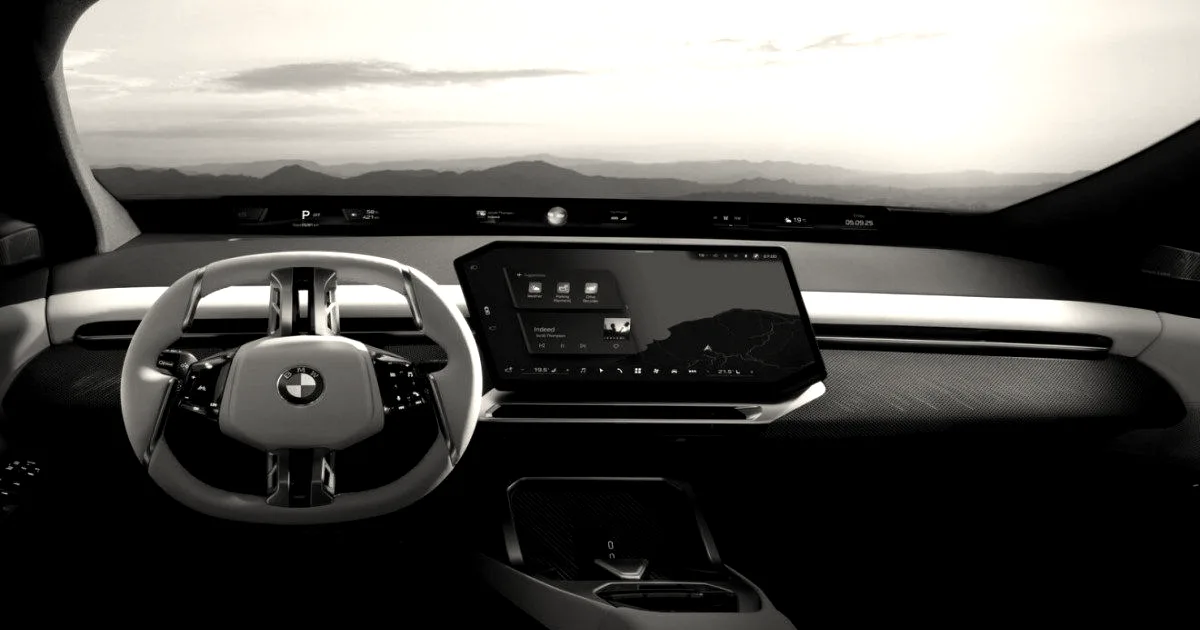
Amazon announced on Monday that the 2026 BMW iX3 will be equipped with Alexa+, the company’s generative AI-powered voice assistant. This integration marks the first time a vehicle will feature this specific technology, which is already present in more than 600 million devices. The deployment represents a significant step in Amazon’s broader effort to expand its large language model (LLM) technology into the automotive sector, moving beyond household smart devices and into the driver’s seat. Automakers have historically struggled to implement voice assistants inside vehicles that can handle complex functions without causing driver frustration. While efforts to develop natural language processing—a form of artificial intelligence that allows computers to understand and respond to human speech—have been underway for more than a decade, existing systems are still frequently limited in their capabilities.
The partnership between the German automotive manufacturer and the technology giant has been three years in the making. BMW initially announced in 2022 that Amazon Alexa would serve as the foundation for its next-generation voice assistant. Under this arrangement, BMW did not merely embed the standard assistant into its vehicles; instead, the automaker used Amazon’s development platform, known as Alexa Custom Assistant, to build its own custom version. This timeline was extended as Amazon worked on an automotive version of Alexa+, an overhauled voice assistant developed and powered by large language models that promises to deliver seamless and natural conversations, similar to speaking with a human.
The customized assistant is built using Amazon Bedrock, which is Amazon’s infrastructure service for building generative AI applications. This service allows AWS customers to build applications using generative AI models from Amazon and other third-party partners. By utilizing this infrastructure, BMW can customize the voice assistant using its own proprietary data. The resulting system is designed to process complex, multi-step requests, reason through steps, and take actions across different services. For example, according to Amazon, a user can start a conversation with an Alexa-enabled Echo speaker at home and seamlessly continue the interaction inside the BMW iX3. Once in the car, the driver can make requests through the assistant that might normally require opening separate applications, such as music, navigation, or home security systems.
Why it matters
Bringing a custom version of Alexa+ into the BMW iX3 serves as a critical test for Amazon as it attempts to scale its generative AI voice assistant into the automotive market.