Startups & Funding
Basata raises $21 million to automate US medical referrals
Basata has raised $21 million in Series A funding to automate medical referrals, a US healthcare bottleneck where the startup has processed referrals for roughly 500,000 patients.
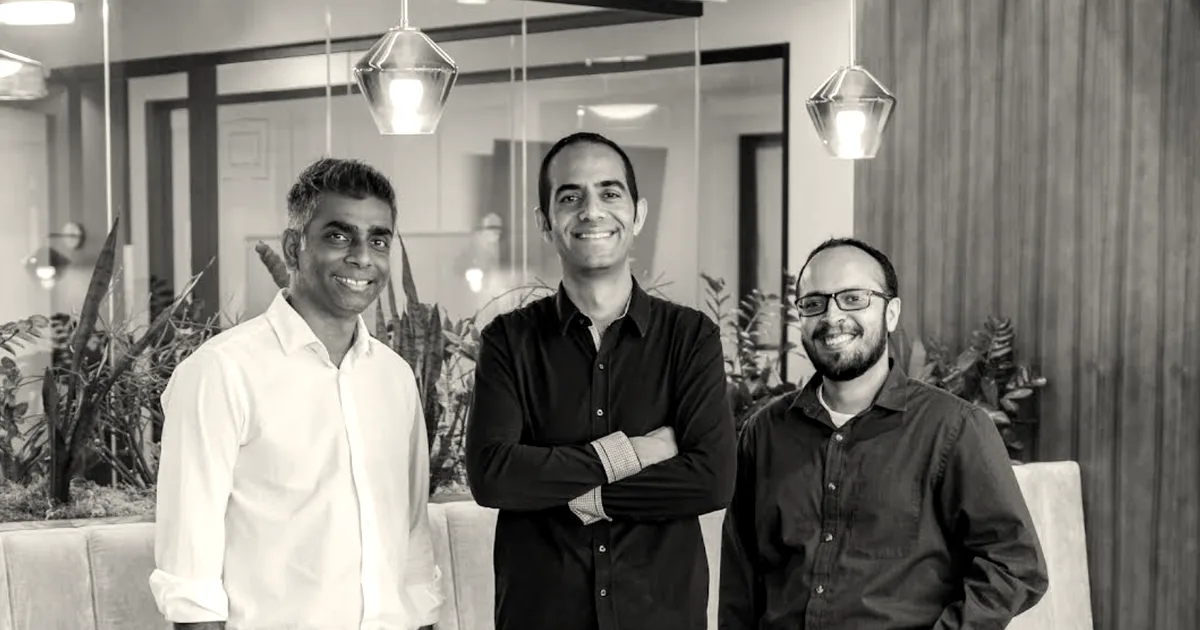
Basata has raised $21 million in a Series A funding round, bringing its total funding to $24.5 million. The company plans to use the capital to scale its platform that automates the manual, fax-heavy process of medical referrals in the US. The Series A round was led by Lan Xuezhao of Basis Set Ventures, with participation from Cowboy Ventures and investor Victoria Treyger of Sofeon, a new venture firm. Basata’s software integrates with electronic medical record systems—the software used by medical practices to store patient data—to read incoming referral documents, extract clinical information, and use an AI voice agent to contact patients for scheduling.
The startup was co-founded by CEO Kaled Alhanafi, President Chetan Patel, and CTO Vivin Paliath. The founders were motivated to build the platform by personal experiences with the administrative care gap. For Patel, the issue became personal after his wife fainted on a flight. He noted that while the US has excellent doctors and medicines, the administrative gap in care remains wide. Alhanafi experienced similar delays after his father received a serious carotid artery diagnosis and faced long wait times for specialist callbacks. To date, Basata has processed referrals for roughly 500,000 patients, with about 100,000 of those processed in the last month alone.
Basata is entering a crowded US market with well-funded competitors. Among them is Tennr, which has raised over $160 million to date and is valued at $605 million. Another competitor, Assort Health, which automates patient phone communication, raised at a $750 million valuation. Despite the heavily funded competition, Basata’s backers argue that the founders’ industry experience provides a critical advantage in building trust with medical practices. “There are a lot of [VCs] chasing around high school dropouts and college dropouts, but when you’re selling to medical practices, trust is a really big deal,” said Aileen Lee, founder of Cowboy Ventures.
To monetize its platform, Basata uses a usage-based revenue model where practices pay per document processed and per call handled, rather than per seat. The company reports that 70% of its new deals now come through word of mouth, indicating strong demand among specialty practices looking to clear administrative backlogs.
Why it matters
The administrative friction between primary care referrals and specialist intake is a massive, manual bottleneck in the US healthcare system. Basata is betting that its end-to-end workflow automation can solve this coordination problem more effectively than point-solution competitors.