Chips & Hardware
Dreamie launches a $250 alarm clock to curb phone use in bed
Dreamie has launched a $250 alarm clock designed to reduce smartphone usage in the bedroom, citing data that 87% of American adults sleep with their phones nearby.
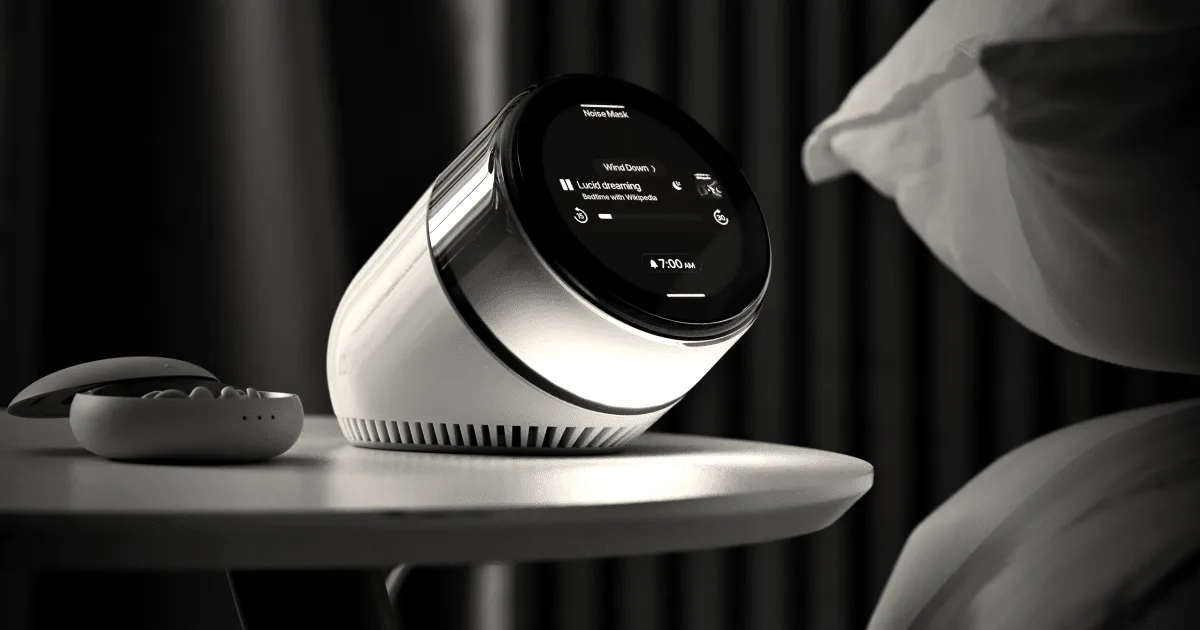
A new $250 alarm clock called Dreamie has launched to help users stop using their phones in bed. The product targets a common nighttime habit that can negatively impact a user’s mental and physical health. By offering a dedicated bedside device, the company aims to provide a physical alternative to the smartphones that dominate late-night routines, helping users establish healthier boundaries with their personal technology.
The scale of the issue is widespread. According to a survey of 2,000 American adults, 87% of respondents sleep with their phones in their bedrooms. This proximity often leads to sleep disruptions, such as spending about half an hour scrolling on a phone in the morning or waking up in the middle of the night and remaining awake for two hours. The Dreamie clock attempts to break this cycle by keeping the phone out of reach entirely. To assist users who wake up during the night, the device features a “back to sleep” mode that plays pre-selected media, such as a fireplace sound mode that runs for about 25 minutes, to help them fall back asleep without looking at a screen. This allows users to listen to audio without the temptation of checking notifications. The device also includes a “wind down” routine to signal bedtime, which can play ambient sounds before transitioning to a continuous noise mask.
To deliver audio content without a smartphone, Dreamie relies on RSS—an open protocol used for podcast distribution. This architectural choice allows the device to stream podcasts directly, positioning it against the closed ecosystems, or walled gardens, of platforms like Spotify. However, the device faces functional constraints. Due to technical limitations, Dreamie might not be able to support popular audiobook applications like Libby or Libro.fm. For consumers looking to curb their screen time without purchasing premium hardware, alternative options exist. The Brick, a $59 physical device used to block specific apps on an existing phone, offers a more affordable alternative to Dreamie’s $250 price point, though it requires keeping the smartphone in the room. While the Brick blocks distracting applications on the user’s existing phone, Dreamie’s higher price point is tied to its dedicated hardware, which allows users to leave their phones in a completely separate room.
Why it matters
The Dreamie alarm clock provides a hardware-based alternative to smartphone usage in the bedroom, aiming to improve sleep hygiene by offering dedicated audio features like podcasts and soundscapes.