Chips & Hardware
Waymo pauses freeway robotaxi service in four major cities
Waymo has suspended freeway robotaxi service in four major cities to improve performance in construction zones, though it expects to resume these routes soon.
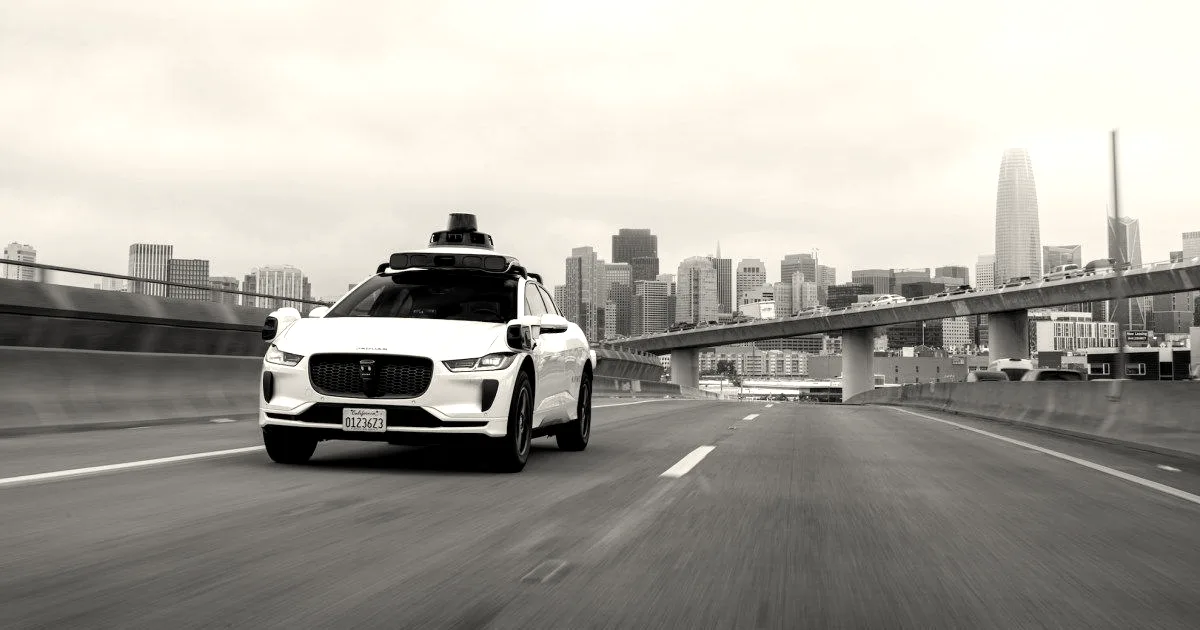
Waymo has suspended its robotaxi—an autonomous vehicle operating as a taxi service—operations on freeways in San Francisco, Los Angeles, Phoenix, and Miami. The company confirmed the suspension on Thursday to TechCrunch, stating that the pause is intended to address performance issues in construction zones. Waymo is currently operating its fleet on surface streets—defined as non-highway roads—in those cities. The company stated it is in the process of integrating “recent technical learnings into our software and expect to resume these routes soon.”
The decision to halt freeway driving follows previous operational pauses in Atlanta and San Antonio, Texas, which were implemented to address flooding issues. Waymo had previously announced a software recall—a remote update to vehicle software to fix safety issues—to help its vehicles avoid flooded areas in San Antonio, where service has been halted for weeks. However, another robotaxi was spotted getting stuck in Atlanta this week, prompting the company to suspend operations there as well. While Waymo did not cite a specific incident for the freeway suspension, its vehicles have recently struggled in highway construction zones. On May 19, X user @Elliot_slade posted a video claiming that his Waymo ride “blasted through cones” and was “chased” by police.
These service interruptions occur as Waymo pushes to expand to new cities around the globe, with a goal of offering as many as one million paid rides per week by the end of 2026. The company is also currently testing its Zeekr-built Ojai robotaxi and expects to start offering rides in that vehicle in the coming months. Waymo first started offering highway rides in late 2025. Putting its robotaxis on these higher-speed roads has been crucial to its expansion in metro areas, as it helps the company better connect riders to local airports and reduces ride times by skipping surface streets. In the Bay Area in particular, freeway travel has helped Waymo cut trip times across the peninsula that previously took anywhere from 45 minutes to over an hour.
Why it matters
Waymo’s pause on freeway operations highlights the ongoing challenge of navigating complex road environments like construction zones, a critical hurdle for its goal of scaling to as many as one million paid rides per week by the end of 2026.