Chips & Hardware
Wayve to bring hands-free driving to Stellantis vehicles by 2028
Stellantis has tapped UK-based startup Wayve to integrate its end-to-end neural network self-driving software into vehicles, with a hands-free driving launch planned for 2028.
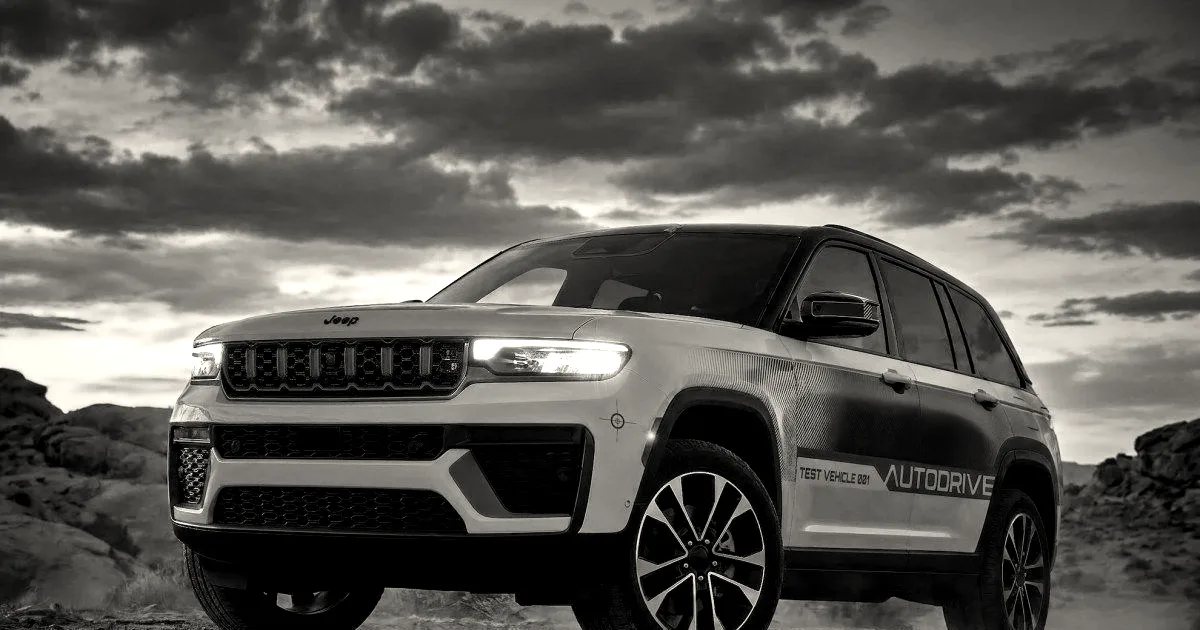
Stellantis, the global automaker behind 14 brands including Jeep and Ram, has officially partnered with Wayve to integrate the startup’s self-driving software into its vehicles, targeting a 2028 launch for hands-free driving capabilities. The deal, announced on Thursday, represents a major commercial contract for the UK-based startup. Wayve’s software uses an end-to-end neural network that only uses data to direct and teach the vehicle how to drive. Because this system is not tied to specific hardware, it can run on existing OEM (original equipment manufacturer) hardware and sensors. Wayve developed a working prototype for Stellantis in just two months.
The partnership arrives as Stellantis executes a $70 billion turnaround plan. As part of this strategy, the automaker plans to expand its market coverage in North America by launching 11 new vehicles by 2030 across its brands, which include Chrysler and Dodge. While Stellantis plans to price vehicles under $40,000 and under $30,000, it is not clear if Wayve’s technology will show up in these lower-cost cars and SUVs. By 2028, there could be more vehicles to choose from in the North American market, which the companies are targeting first.
The software supports a hands-off assisted-driving system comparable to Tesla’s FSD (Full Self-Driving) system. Wayve CEO Alex Kendall emphasized that the startup’s AI is designed to scale across Stellantis’ massive global scale and diverse product lineup. Kendall highlighted that Stellantis operates at a massive global scale and offers a wide diversity of products, making it an ideal match for Wayve’s adaptable AI. According to Kendall, the company’s AI model is set up to generalize. “It’s capable of generalizing across different compute stacks, different sensors, different vehicles, shapes, and sizes,” Kendall said. He added that because of the diversity of sizes, shapes of vehicles, different driving styles, and different geographies they run in, the startup’s AI is built to scale across them all. This commercial scaling effort is supported by Wayve’s recent $1.2 billion Series D funding round, which included investment from Stellantis, Nissan, Microsoft, Nvidia, and Uber.
Why it matters
The partnership marks a significant commercial deal for Wayve, allowing the startup to scale its end-to-end neural network self-driving software across Stellantis’ diverse range of vehicle brands in the North American market.